
Cusco, the Sacred Valley & Machu Picchu: 11 Real-World Tips
This post may contain affiliate links. If you click one and make a purchase, I may earn a small commission at no extra cost to you. I only recommend products I genuinely use or believe will add value to you.
Planning a trip to Cusco, the Sacred Valley, and Machu Picchu is not easy.
The volume of information alone can be overwhelming — some of it outdated, some contradictory, and some from seriously shady corners of the internet promising Machu Picchu tickets that may or may not exist.
I’ve done an amazing trip to the region myself, but it’s been a few years. And because Peru is a destination where details shift — especially Machu Picchu tickets, train logistics, and access procedures — I’ve been cautious about sharing anything that may no longer be accurate.
Then I came across Joe McGrath and Beyond the Beachhead in a Facebook travel group focused on Machu Picchu. After a two-week trip to Cusco and the Sacred Valley with his wife and adult children, Joe shared one of the most practical, no-BS recaps I’ve read. It was immediately clear this is someone who knows how to travel well — prepared, observant, and focused on what actually matters.
I asked if I could share his notes here, and graciously, Joe agreed. Sometimes I really do love the internet.
What follows is my annotation of Joe’s real-world guidance — the stuff that will help you plan smarter, avoid common mistakes, and actually enjoy one of the most extraordinary trips on earth.
11 Tips for Cusco, the Sacred Valley & Machu Picchu
Follow these real-world tips for a smooth experience in Cusco, the Sacred Valley, Machu Picchu, and more.
1. Before Anything Else: Machu Picchu Tickets
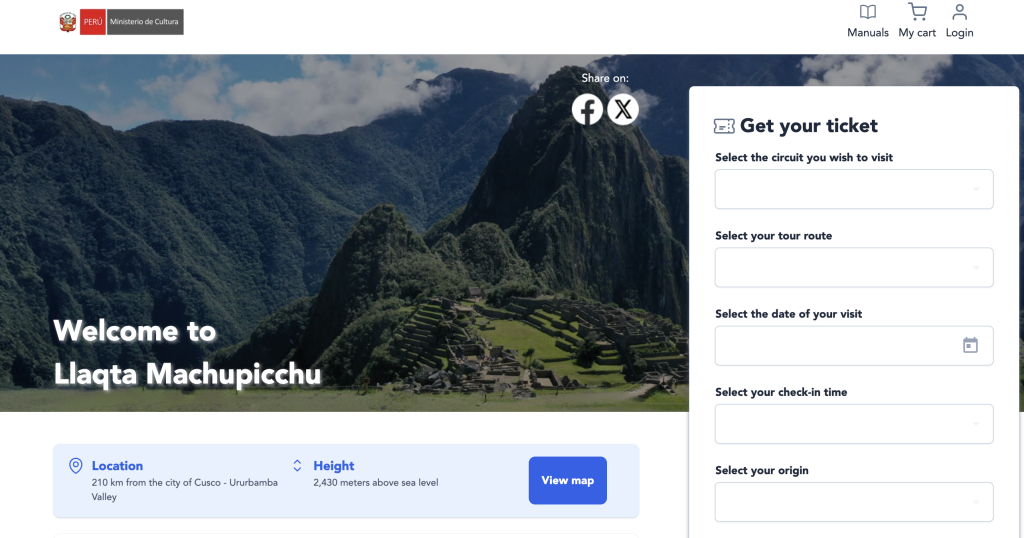
If Machu Picchu is the centerpiece of your trip — and for many travelers it is — getting legitimate entry tickets is essential. It is also not always straightforward. This is where a lot of travelers get into trouble.
The official place to start is the Peruvian Ministry of Culture ticket platform. Make sure that’s actually where you are. I was recently with a woman I met in Lima who thought she was on the official site, but it was a “.com” instead of a “.pe.”
While there reliable and trustworthy local agencies, do not assume that all listing, particularly on Viator or GetYourGuide, automatically means you’re dealing with an official source. Those platforms are marketplaces for guides, operators, and third-party sellers. Some are excellent. Some are not.
The Machu Picchu Facebook groups are full of frustrated travelers who were promised tickets that didn’t exist, sold the wrong circuit, or found out too late that availability had been misrepresented.
Need to Know
Tickets are per specific person and non-transferable. They require your passport number.
Joe’s advice — and mine — is simple: start with the official site, understand exactly what circuit and time slot you’re purchasing, confirm what’s included, and don’t wait until the last minute for prime dates.
Machu Picchu rewards planners. But if that’s not you — don’t worry, it’s not always me either — 1,000 tickets are sold each day for the following day in Aguas Calientes starting at 6am. You must arrive at 4am to get in line and say a prayer.
2. Peru Is More Physical Than People Expect
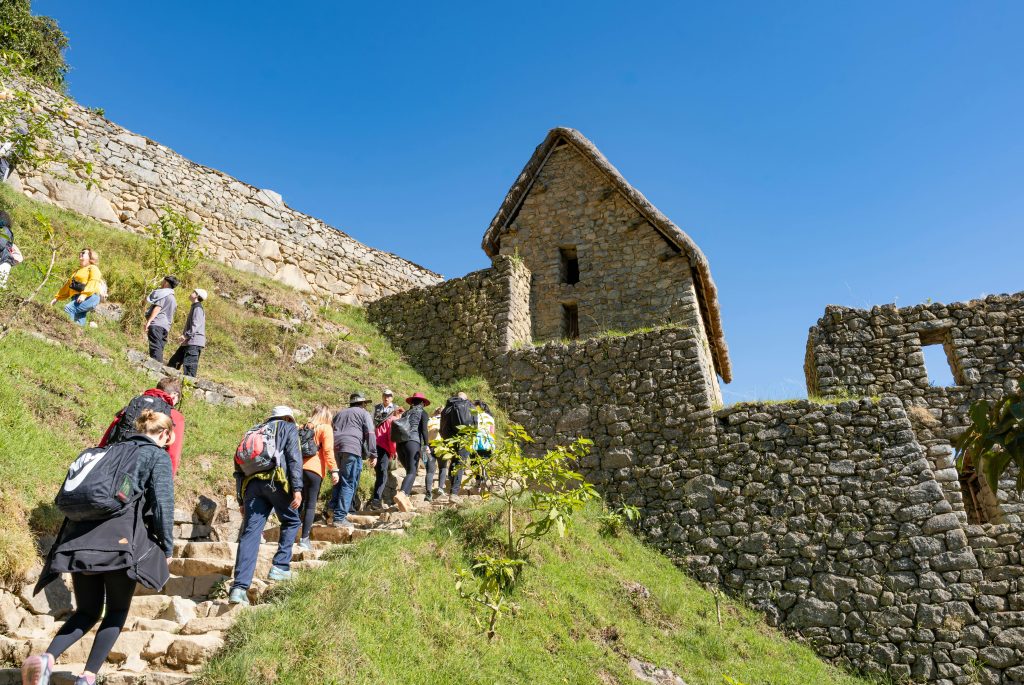
This was one of Joe’s clearest takeaways, and it’s worth saying plainly: many travelers imagine Peru as scenic plazas, markets, and mountain views. That’s part of it. The other part is stairs, elevation, uphill walking, and archaeological sites built into hillsides.
Some of the most rewarding stops — Pisac, Ollantaytambo, Naupa Iglesia, Machu Picchu itself –not talking the trek, just the site— require real effort. Even active travelers can feel challenged here. If you can improve your walking stamina before the trip, great. If not, plan honestly and pace yourself.
3. Cusco Altitude: Respect It
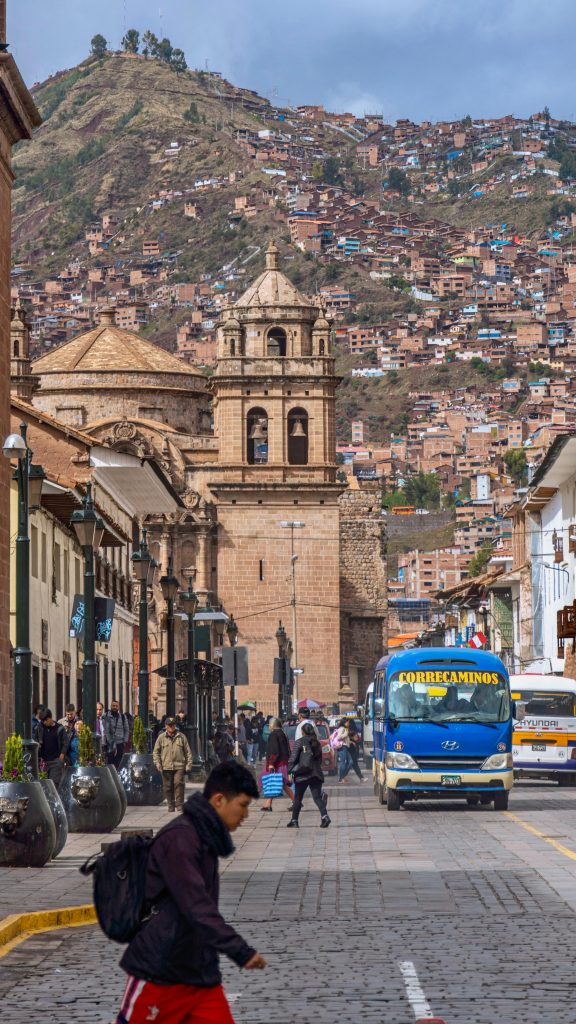
Cusco sits at high elevation, 11,152 feet to be exact and altitude affects people differently. On Joe’s trip, the family used Diamox, coca tea, and serious hydration — and still had members dealing with headaches, disrupted sleep, and shortness of breath.
The smartest first-day plan in Cusco is not an aggressive sightseeing sprint. Keep it light, hydrate, and let your body adjust. The rest of the trip will be better for it.
4. The Sun Will Get You If You Let It
Even on cloudy days, sunburn happens fast in Peru. High elevation means stronger UV exposure, and most archaeological sites offer very little shade. Sunscreen, a hat, sunglasses, and lip balm are non-negotiables. People get burned here while insisting it wasn’t even sunny. Don’t be one of them.
5. Pack Light. Really.
Peru involves train travel, cobblestone streets, pedestrian lanes, hotel stairs, and frequent movement between towns. It is not the destination for oversized luggage.
Joe’s practical advice: pack for about a week and use laundry services as needed. Dragging giant luggage through Ollantaytambo is not a memory you need.
6. Build Your Trip Around Machu Picchu
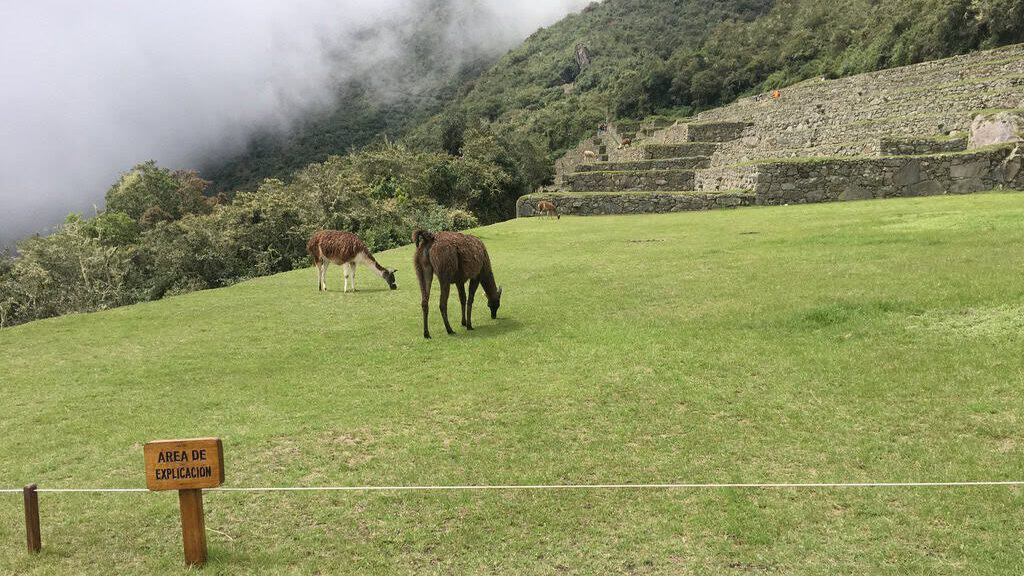
If Machu Picchu is the centerpiece, plan like it. Book in this order: tickets first, then hotels, then trains, then flights. Ticket numbers are controlled, and preferred dates, times, and circuits go quickly.
Many travelers book Peru backward and then scramble. Don’t be one of them.
Machu Picchu Circuits — Simply Explained
The circuit system sounds confusing until it isn’t. Here’s the short version:
- Circuit 1: The famous overlook, the classic postcard angle, more climbing.
- Circuit 2: A strong mix of viewpoints and ruins. Often the best all-around choice if you’re only doing one.
- Circuit 3: Less climbing, more direct ruins access, no main overlook.
If you’re only doing one circuit, Circuit 2 is generally the sweet spot.
7. Consider Two Days at Machu Picchu
If budget and schedule allow, two entries is a genuinely smart move. Weather changes fast, rain happens, trains get delayed, and energy levels vary. On Joe’s trip, one day was completely soaked. The next morning delivered a beautiful sunrise.
Sometimes flexibility is the real luxury.
8. Aguas Calientes Is Better Than Its Reputation
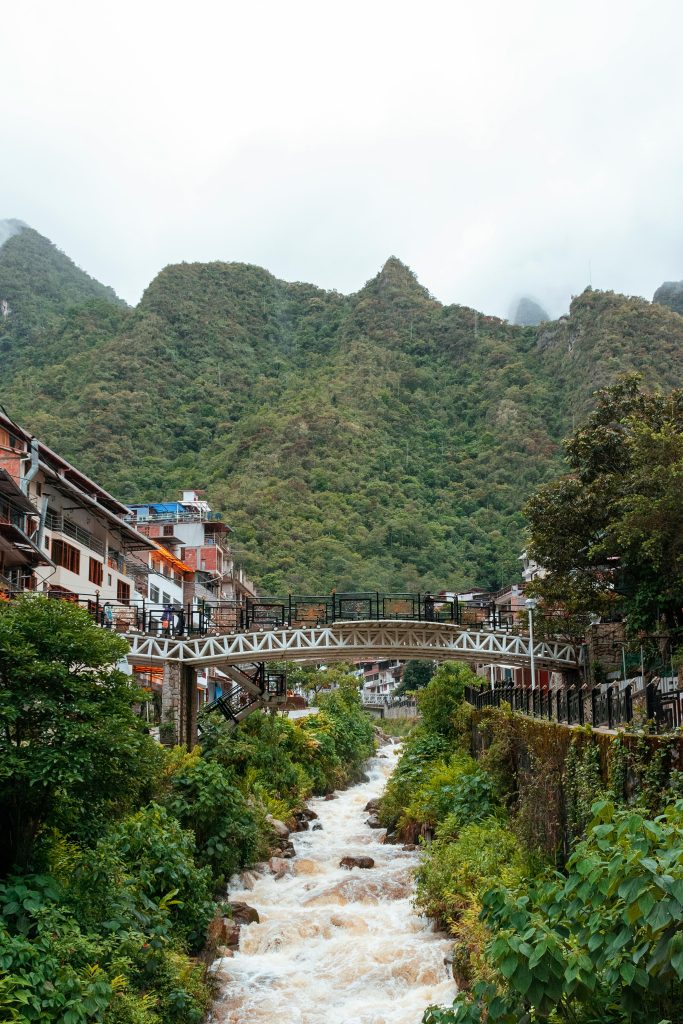
Aguas Calientes — the town directly below Machu Picchu — gets dismissed by a lot of travelers. Joe’s take is that this is a mistake. It’s touristy and energetic, yes. But it’s also convenient, has easy bus access to the site, and does its job well.
Not every town needs to be soulful. Some just need to work. As an overnight base for early Machu Picchu access, it’s a smart choice.
9. Ollantaytambo Deserves More Than a Quick Stop
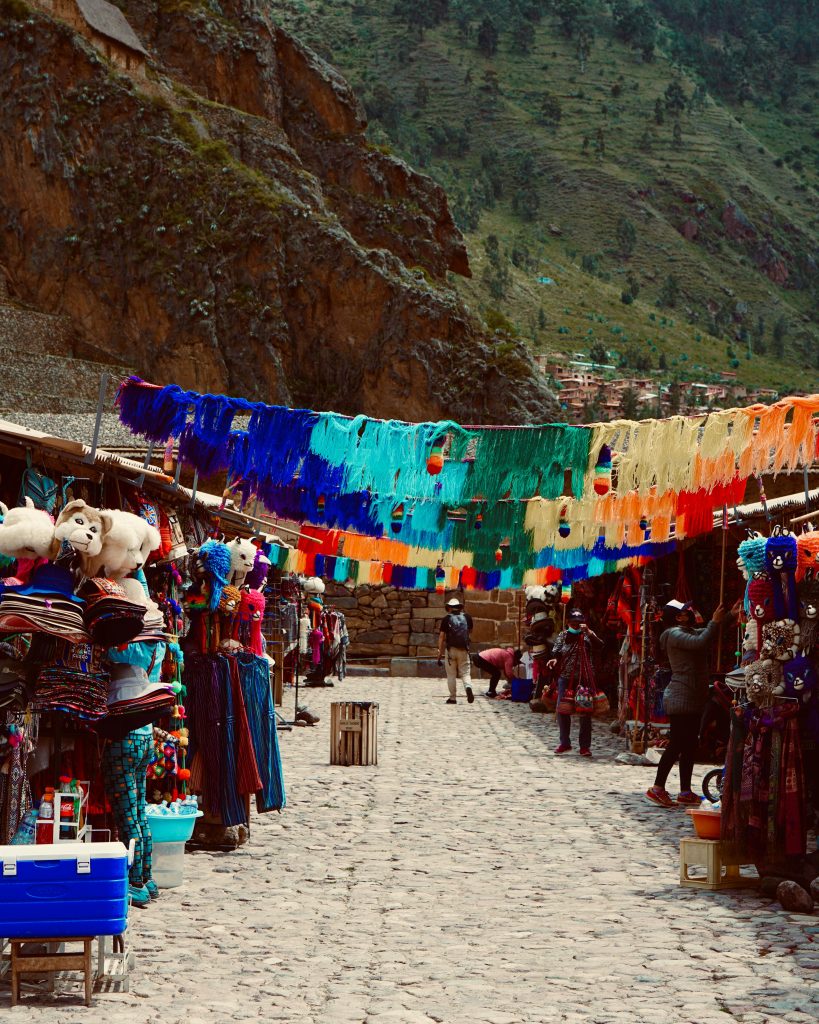
Too many travelers treat Ollantaytambo like a transfer station. That’s a mistake.
This Sacred Valley town has historic streets, dramatic mountain scenery, important Inca ruins, and a genuinely charming village feel. The ruins involve around 200 stairs, so plan accordingly. One practical note Joe flagged: some hotels described as close to the station can mean uphill with luggage. Read the fine print carefully.
10. Cusco Is More Than a Launching Pad
Cusco deserves real time. It’s beautiful, layered, historic, and full of character — the kind of place where you could spend days and stay interested.
One standout is Sacsayhuamán, the monumental Inca fortress above the city with stonework that genuinely stops you in your tracks. Strong day trips from Cusco include Pisac, Tipon, Chinchero, Killarumiyuq, and Waqrapukara.
Treat Cusco as a destination, not a checkbox.
11. The Sacred Valley Sites Worth Your Time
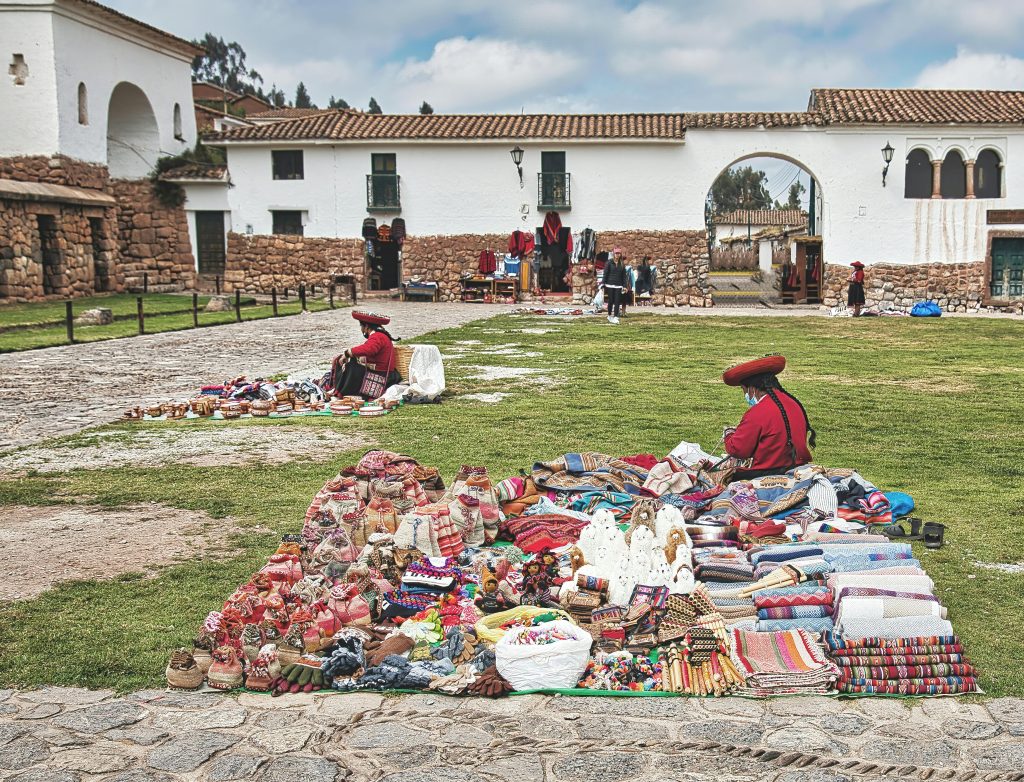
Pisac
Pisac offers the best of everything — a charming plaza, a great market, and ruins sitting high in the mountains above town. Taking a cab to the upper entrance is often the smarter move unless you want a serious uphill hike. Give it more time than you think it needs.
Chinchero
Chinchero is worth visiting for its weaving traditions and artisan workshops, if textiles interest you. Go with the right expectations — the experience is centered on craft, not grand ruins.
Tipon
Tipon is quietly excellent and frequently overlooked. Located south of Cusco, it’s known for sophisticated Inca water engineering — terraces, fountains, and channels that are genuinely impressive. For travelers who like history without crowds, it’s an excellent half-day.
Killarumiyuq
Killarumiyuq is lesser known and peaceful — ruins integrated into nature, a crescent carving associated with moon worship, and an atmosphere that rewards the kind of traveler who prefers quiet over crowds.
Moray and Maras
Moray and Maras are best paired together. Moray’s circular terraces are unlike anything else in the region. Maras is a hillside patchwork of salt ponds still harvested today. Visually striking and very different from fortress-style ruins — absolutely worth seeing.
Naupa Iglesia
Naupa Iglesia, near Ollantaytambo, is a lesser-visited ceremonial site reached by climbing around 200 stairs. Cave setting, carved stone features, altar-like elements, and a genuinely mysterious atmosphere. If you like places with intrigue, this one may stay with you.
Waqrapukara
Waqrapukara is not a casual add-on. This remote site south of Cusco requires an early departure, long drives, rough roads, and high-altitude hiking. The hike may not look intense on paper, but altitude changes the equation. For active travelers wanting something wilder and less visited, it could be a highlight of the trip.
The Practical Stuff
A few things Joe flagged that are easy to overlook: bring coins for bathroom fees, carry your own toilet paper and sanitizer, pack snacks and layers, and bring an external battery pack. Comfortable walking shoes matter more than cute ones. And as in any destination, awareness and common sense go a long way.
Frequently Asked Questions
How many days should I spend in Cusco?
More than one. Cusco deserves real time — treat it as a destination, not just a base.
Is altitude in Cusco serious?
It can be. Plan a light first day, hydrate, and listen to your body. Even prepared travelers can feel it.
Which Machu Picchu circuit should I do?
Circuit 2 is generally the best all-around choice for first-timers. Circuit 1 has the famous overlook but involves more climbing. Circuit 3 is lower effort but skips the main viewpoint.
Is Waqrapukara easy?
No. Remote, physically demanding, and altitude-affected. Rewarding for the right traveler — not a casual add-on.
Thanks To Joe
I am very grateful for his generosity and knowledge. Beyond being a genuinely great travel resource, he runs Beyond the Beachhead Tours — small-group journeys through the D-Day beaches and Normandy for travelers who love history done well. If that’s your kind of trip, he’s exactly the person you want leading it.
Final Thoughts
Peru can be moving, beautiful, steep, sunny, magical, tiring, and occasionally logistically messy — sometimes all in the same day. That’s part of what makes it unforgettable.
Go prepared. Pace yourself. Give places more time than the internet tells you to. And when it comes to Machu Picchu tickets, do your homework and buy carefully.
Stay Connected
Get insider tips, local favorites, and hidden gems delivered straight to your inbox. Join our community and explore Lima beyond the beaten path.