
Buying Traditional Peruvian Textiles: What to Look for
This post may contain affiliate links. If you click one and make a purchase, I may earn a small commission at no extra cost to you. I only recommend products I genuinely use or believe will add value to you.
Shopping for textiles is one of the highlights of visiting Peru, right? But figuring out what’s truly handmade isn’t always easy. Knowing the difference can help you bring home a more meaningful souvenir while supporting the artisans preserving Peru’s centuries-old weaving traditions.
To help separate fact from fiction, I spoke with textile expert Abby Franquemont. Raised in the Sacred Valley town of Chinchero by anthropologist parents—yes, kind of like Cady in Mean Girls, only in Peru—Abby grew up learning traditional Andean spinning and backstrap weaving alongside local families, mastering techniques practiced in the Andes for generations.
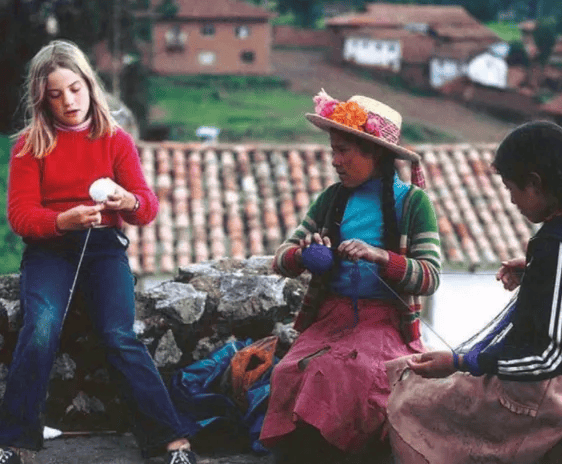
Her family also helped establish the Center for Traditional Textiles of Cusco, one of the country’s leading organizations dedicated to preserving these traditions. Today, she teaches spinning and weaving around the world and leads immersive textile experiences throughout Peru and online.
If you’re planning to shop for textiles in Peru, here’s what Abby wants every traveler to know before making a purchase.
A Tradition Older Than the Incas
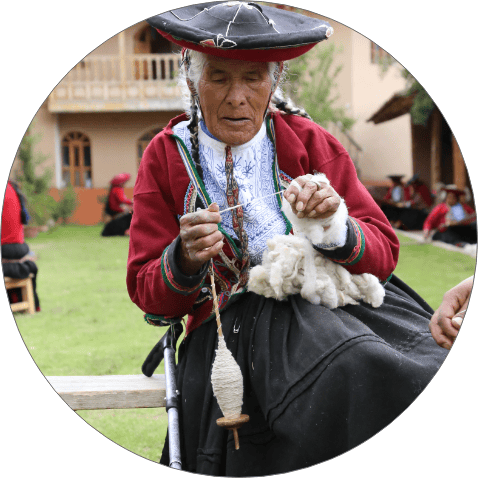
Peru’s weaving traditions date back thousands of years—long before the Inca Empire. While the Incas helped spread and elevate textile production throughout their empire, they built on techniques developed by earlier civilizations.
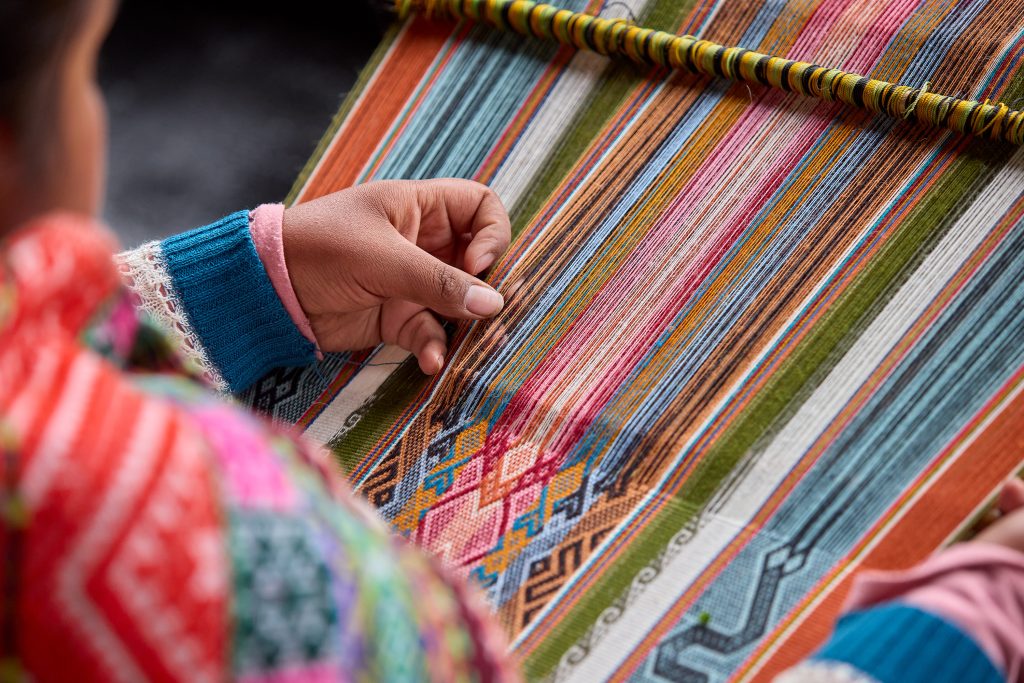
Today, traditional Andean textiles are still woven on backstrap looms using hand-spun yarn. One end of the loom is anchored to a fixed object while the other wraps around the weaver’s waist, allowing the weaver to control the tension with their own body—a weaving tradition that has endured in the Andes for centuries.
That’s what makes buying a traditional textile so special. You’re not just purchasing a souvenir—you’re supporting a living cultural tradition.
Where to Buy Authentic Textiles in Peru
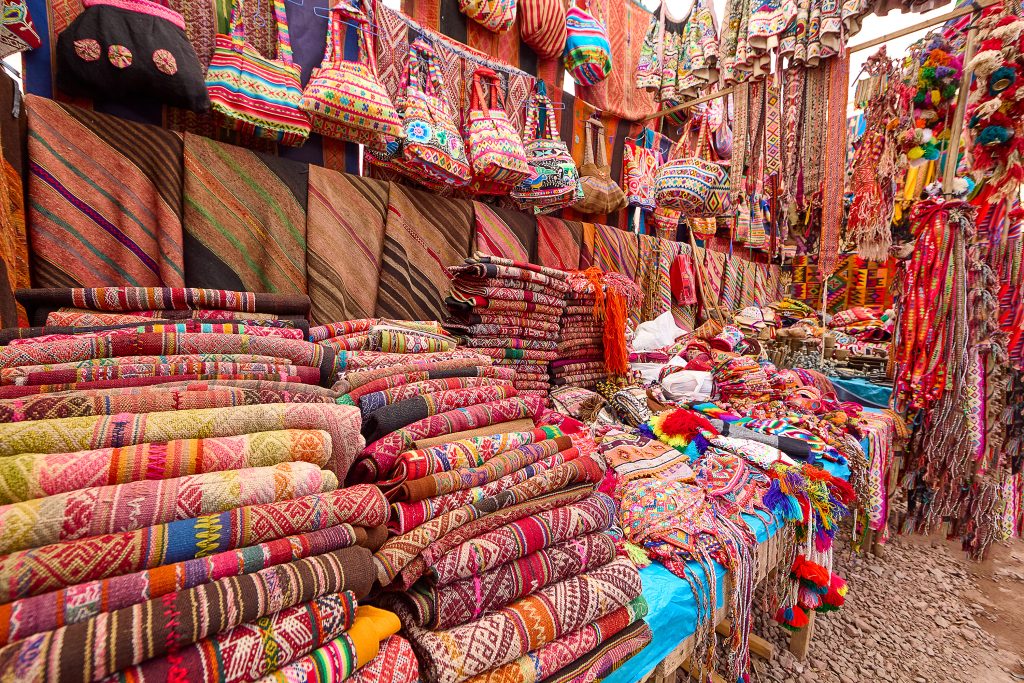
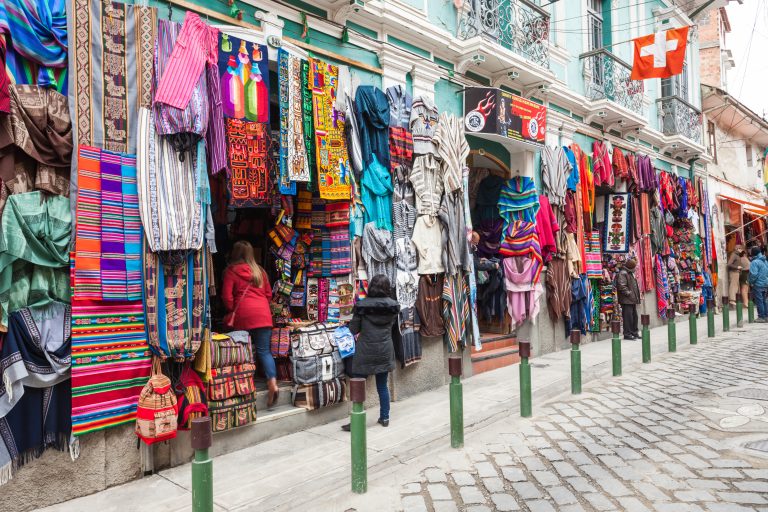
Are you planning to visit the Sacred Valley or Cusco? Skip Pisac. This was probably the answer that surprised me most.
If you’ve done any research before your trip, you’ve probably seen Pisac recommended as the place to shop for textiles in the Sacred Valley. Abby had a different recommendation.
Ollantaytambo Over Pisac
For years, Pisac has been one of the Sacred Valley’s most famous artisan markets, and it’s still worth a visit. But if your goal is to buy authentic traditional textiles, Abby thinks there are better places to spend your money.
“The market in Pisac has really gone downhill. It is mostly the mass-produced stuff.”
Instead, Abby recommends heading to Ollantaytambo.
The artisan market near the archaeological site is made up of vendors who actually live in the district, many from surrounding rural communities. Some demonstrate their weaving right at their stalls, giving visitors a chance to see the craftsmanship behind the finished product.
“They’re all owned by people who live in Ollantaytambo. A number of them are from the rural communities, and you can actually see them weaving and demonstrating what they do.”
Her advice? Walk through the market before buying anything. Compare the work, ask questions, and spend a little time talking with the artisans. You’ll gain a much greater appreciation for the skill behind the textiles—and probably end up with a more meaningful souvenir.
For Traditional Weaving, Visit the Center for Traditional Textiles of Cusco
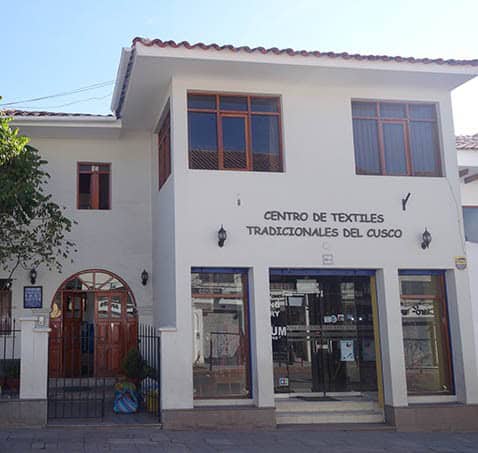
If you’re looking for the highest-quality traditional textiles while directly supporting the communities preserving these techniques, Abby’s top recommendation is the Center for Traditional Textiles of Cusco (CTTC).
Founded by Abby’s parents and renowned Peruvian weaver Nilda Callañaupa, the nonprofit works with weaving communities throughout the Cusco region to preserve traditional techniques, natural dyeing methods, and generations of textile knowledge. Every purchase helps support that mission, making it one of the best places in Peru to invest in an authentic handcrafted piece.
Looking for an Alpaca Sweater?
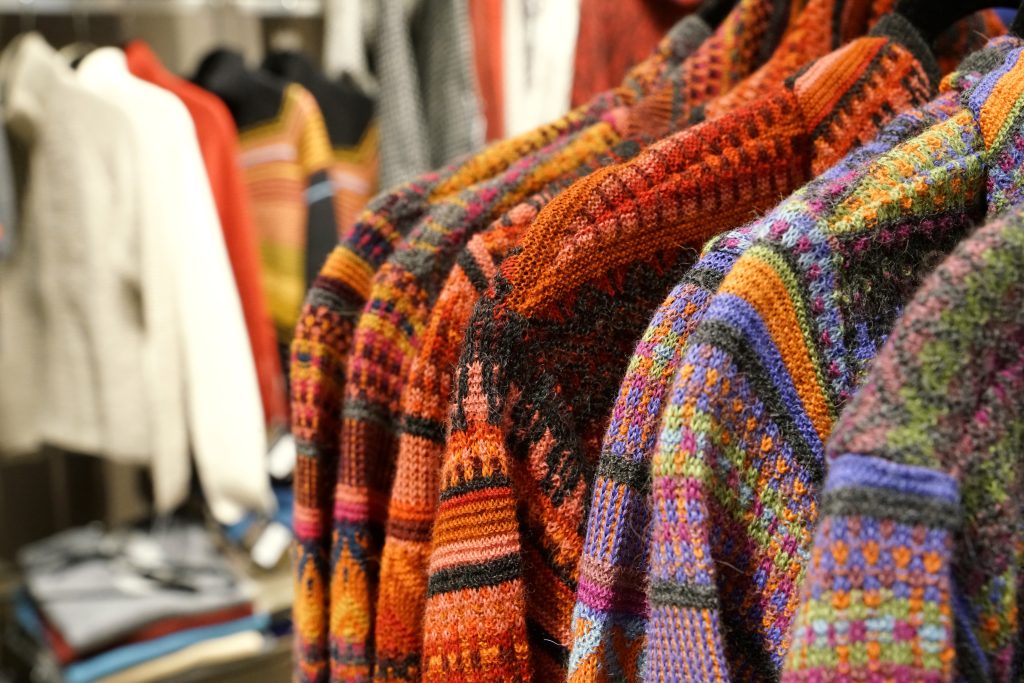
Not every traveler is looking for a handwoven heirloom—and that’s perfectly okay.
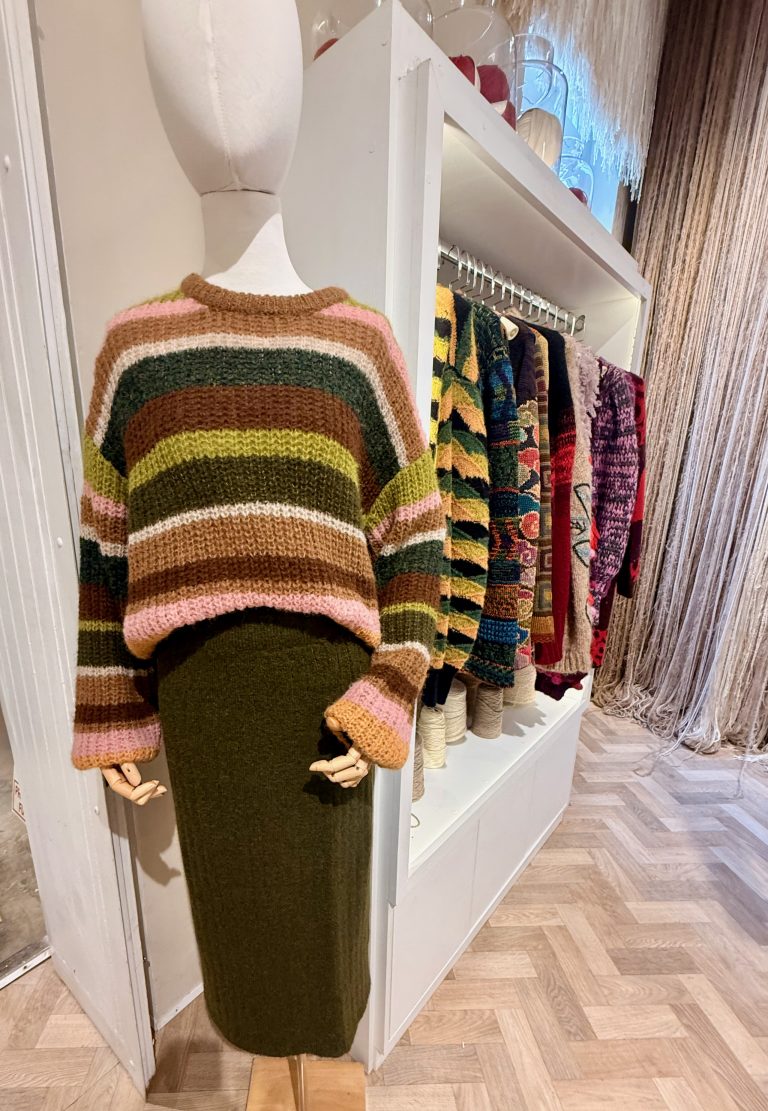
If your goal is to bring home a beautiful alpaca sweater, scarf, or coat, Abby recommends established brands like Kuna, Sol Alpaca, and Michell Alpaca. While these companies produce commercial garments rather than traditional Indigenous textiles, they offer consistently high-quality alpaca products.
Once you know where you might shop, the next question is what you’re actually paying for—and why the price tags can vary so wildly.
Not Everything Labeled “Handmade” Is Traditional
One of the biggest takeaways from my conversation with Abby was also one of the simplest:
“If it’s really cheap, it’s not real.”
That doesn’t mean there’s anything wrong with buying a commercial alpaca sweater or an inexpensive souvenir. Abby owns commercially made alpaca-blend sweaters herself. The important thing, she says, is simply understanding what you’re buying.
A traditional Andean textile isn’t expensive because someone decided tourists would pay more. It’s expensive because of the extraordinary amount of skilled labor behind it. Abby explained that spinning enough yarn for a traditional poncho can take about three months. Weaving that same poncho can take another one to three months, depending on the complexity of the design.
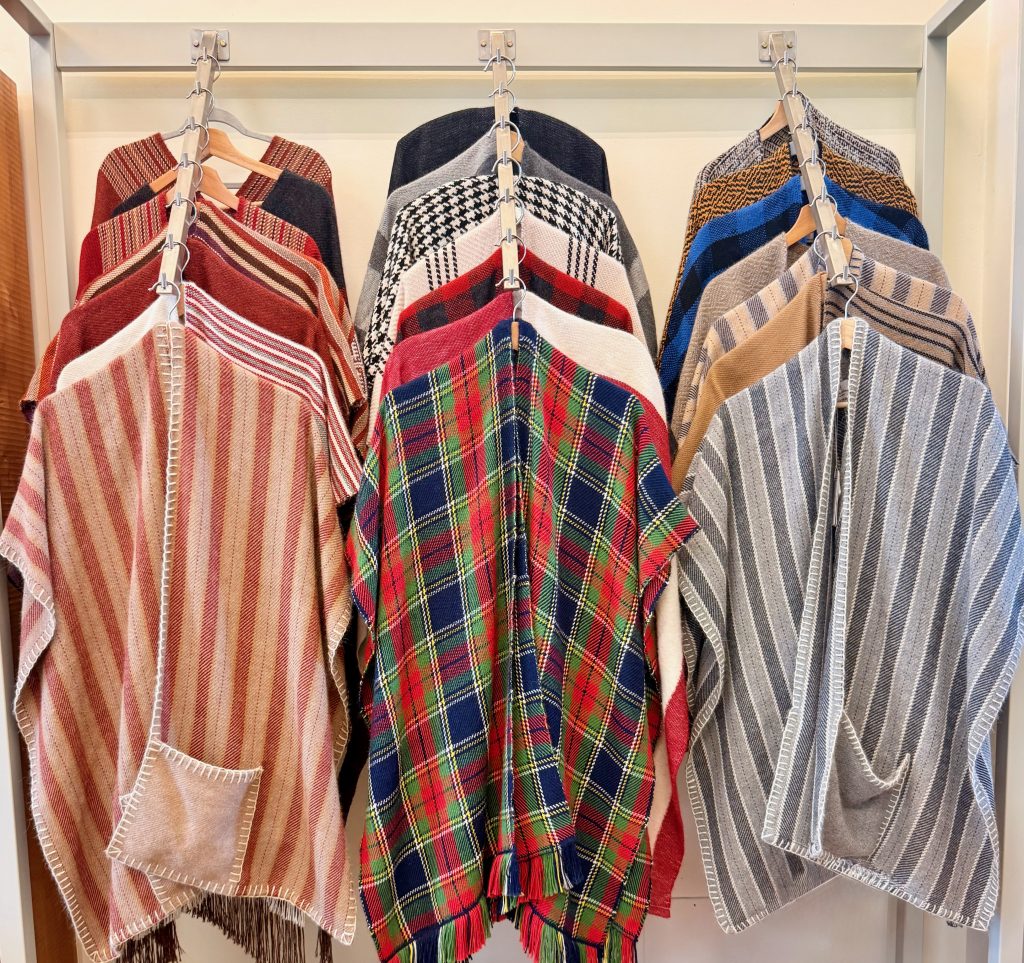
Then Abby asked me a question that completely changed the way I think about shopping for textiles in Peru.
“What do you think is a fair price for six months of work?”
That question has stuck with me.
It’s easy to compare a $25 “alpaca” poncho with one that costs several hundred dollars and wonder why. But they’re not the same product. One is a commercial garment or souvenir; the other represents months of hand-spinning, weaving, and generations of knowledge.
As Abby reminded me, there isn’t a “right” purchase. Whether you choose a commercial alpaca sweater or a traditional handwoven textile, the important thing is understanding what you’re buying—and paying a fair price for the craftsmanship behind it.
How to Spot an Authentic Peruvian Textile
There isn’t a single test that tells you whether a textile is authentic, but Abby says there are a few things experienced shoppers notice right away.
Pay Attention to How It Feels
Authentic alpaca has a distinctive feel. Rather than feeling warm immediately, Abby says it often feels cool to the touch before gradually warming in your hands. It’s also noticeably heavier than synthetic fibers while remaining exceptionally insulating.
That doesn’t mean every soft sweater is made from alpaca—or that every alpaca garment is handwoven—but they’re helpful clues when you’re comparing similar pieces.
Look at the Yarn
Traditional Andean textiles are typically woven on backstrap looms using hand-spun yarn, something Abby has spent decades studying and teaching.
Because the yarn is spun with a high degree of twist, the finished textile is incredibly durable. In fact, Abby says authentic traditional textiles shouldn’t pill the way lower-quality fabrics often do.
That tight weave also serves a practical purpose. Traditional ponchos weren’t created as fashion statements—they were designed for everyday life in the Andes. Abby explained that a well-made poncho can actually shed rain for quite a while before eventually becoming saturated.
Ask Questions
One of the easiest ways to learn about a textile is simply to start a conversation.
Ask who made it, where it was woven, what fibers were used, and whether the yarn was hand-spun. An artisan who created the piece—or works directly with the people who did—should be able to tell you its story.
And maybe that’s the biggest lesson Abby shared with me. Authentic textiles have stories. Commercial pieces have their place too—but they’re telling a different story.
Final Thoughts
One of the things I love most about travel is discovering the stories behind the places we visit. After talking with Abby, I’ll never look at a pile of colorful textiles in a market the same way again—and I hope you won’t either. A few extra minutes of asking questions turns a souvenir into a story.
Frequently Asked Questions
Are all textiles sold in Peru handmade?
No. Peru’s markets sell everything from authentic handwoven textiles to commercially produced alpaca clothing and imported souvenirs. Asking questions about where and how a piece was made is one of the best ways to understand what you’re buying.
Is baby alpaca made from baby alpacas?
No. “Baby alpaca” refers to the finest, softest fibers from an alpaca’s fleece—not the age of the animal.
Where is the best place to buy authentic textiles in Peru?
Abby recommends the Center for Traditional Textiles of Cusco (CTTC) for authentic traditional weaving that directly supports artisan communities. She also prefers the artisan market in Ollantaytambo over Pisac for travelers hoping to meet local weavers and purchase handmade textiles.
Why are authentic handwoven textiles so expensive?
According to Abby, spinning enough yarn for a traditional poncho can take about three months, with weaving taking another one to three months. You’re paying for months of skilled craftsmanship, not just the finished product.
Is it okay to buy textiles in the markets?
Yes. Just remember that not every item is handmade or traditionally woven. Ask questions about who made it, where it was woven, and what materials were used so you know exactly what you’re buying.
Stay Connected
Get insider tips, local favorites, and hidden gems delivered straight to your inbox. Join our community and explore Lima beyond the beaten path.