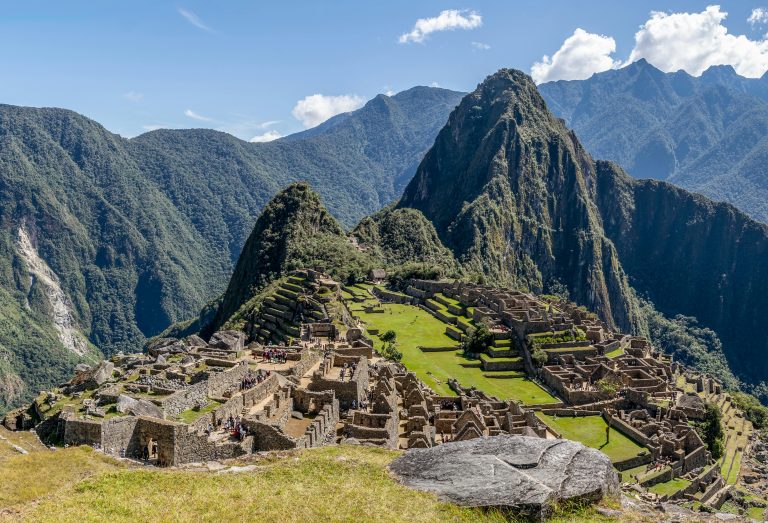

7 Things to Know Before Booking Adventure Tours in Peru
This post may contain affiliate links. If you click one and make a purchase, I may earn a small commission at no extra cost to you. I only recommend products I genuinely use or believe will add value to you.
In this article you’ll learn:
- Why booking through GetYourGuide or Viator isn’t the same as booking with the company running your tour.
- The questions every traveler should ask before booking adventure activities in Peru (or anywhere).
- Why reviews don’t always tell the whole story.
- What one traveler’s Huacachina accident taught me about researching excursion companies.
- What to know about travel insurance before you leave home.
Most of us spend hours comparing flights, reading hotel reviews, and planning the perfect itinerary. But when it’s time to book an excursion, it’s easy to assume that if a tour is listed on a well-known platform like GetYourGuide or Viator, someone has already done the homework for us.
In reality, that’s not always the case.
After interviewing a traveler whose vacation in Peru ended in a serious dune buggy accident, I realized there was a blind spot in the way many of us research adventure tours. Her experience made me rethink how we choose the companies we trust with our safety.
This article isn’t meant to scare you away from adventure travel. Quite the opposite. My hope is that it helps you book with more confidence by asking a few extra questions before you commit. Whether you’re planning a dune buggy ride in Huacachina, a trek to Machu Picchu, or a rafting trip somewhere else in the world, these are the lessons I’ll be taking with me on every future adventure.
How to Book Adventure Tours with Confidence
Adventure travel is meant to be exciting, not stressful. Before booking your next excursion in Peru, here are seven practical tips to help you choose the right operator, ask the right questions, and travel with greater confidence.
1. Understand Who You’re Booking With

Most travelers assume that booking through a well-known platform means the tour has been thoroughly vetted. While companies like GetYourGuide and Viator can make finding excursions easier, they’re booking platforms—not the companies actually running your tour.
The business operating the boat, driving the buggy, or leading the hike is often a separate local company. In some cases, different parts of the same excursion may even be subcontracted to different operators.
That’s something one traveler I’ll call Heidi (name changed for privacy) learned the hard way.
Earlier this summer, Heidi traveled to Peru with one goal: hiking to Machu Picchu. Before heading to Cusco, she and a friend booked one of the country’s most popular day trips from Lima, which included the Ballestas Islands, a winery stop, and the sand dunes of Huacachina.
Like many travelers, she booked through a trusted platform and assumed everything had been carefully organized behind the scenes.
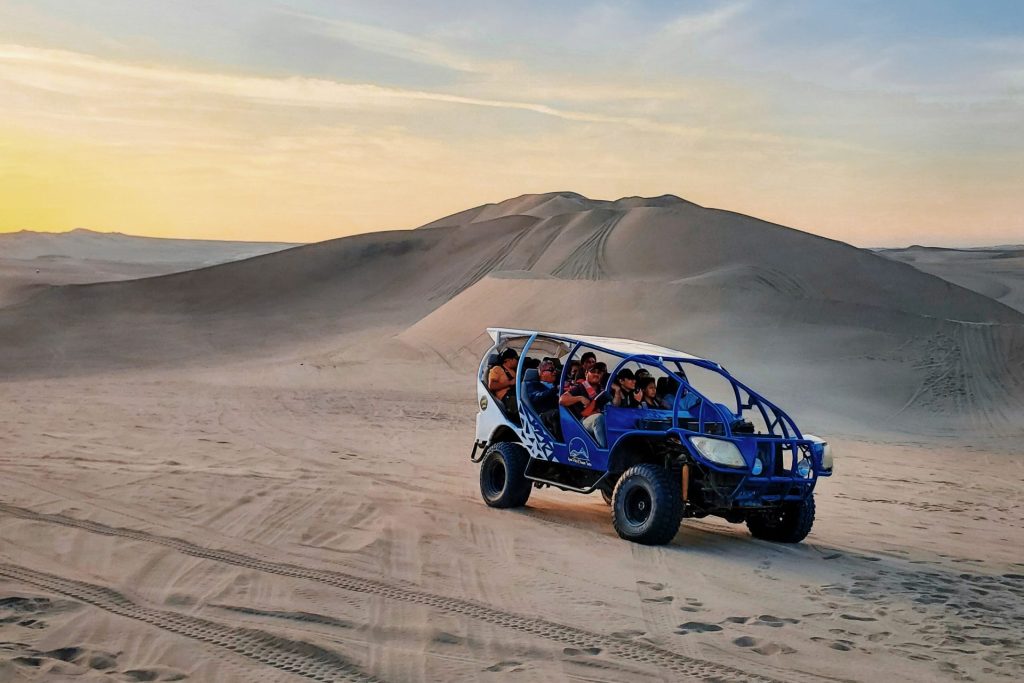
According to Heidi, the dune buggy driver began speeding and making aggressive turns. Some passengers laughed while others screamed. Moments later, she says, the buggy launched off the edge of a dune, crashed, and rolled.
Heidi suffered a separated shoulder, her friend required stitches, and instead of continuing on to Machu Picchu, they flew home for medical treatment.
Her experience isn’t meant to suggest that adventure tours in Peru are unsafe. Thousands of travelers enjoy them every year without incident. It’s a reminder that the company you book through isn’t always the company responsible for your experience—and that’s worth understanding before you reserve your spot.
2. Know Who’s Responsible If Something Goes Wrong
Adventure activities come with inherent risks. While no one expects an accident to happen, it’s worth understanding what support is available if it does.
One of the biggest lessons from Heidi’s experience was how quickly responsibility became unclear. Although she booked a single excursion, different companies were responsible for different parts of the day.
As a result, she received little meaningful support after the accident. A representative from the overall day tour assured the injured passengers that everything would be taken care of.
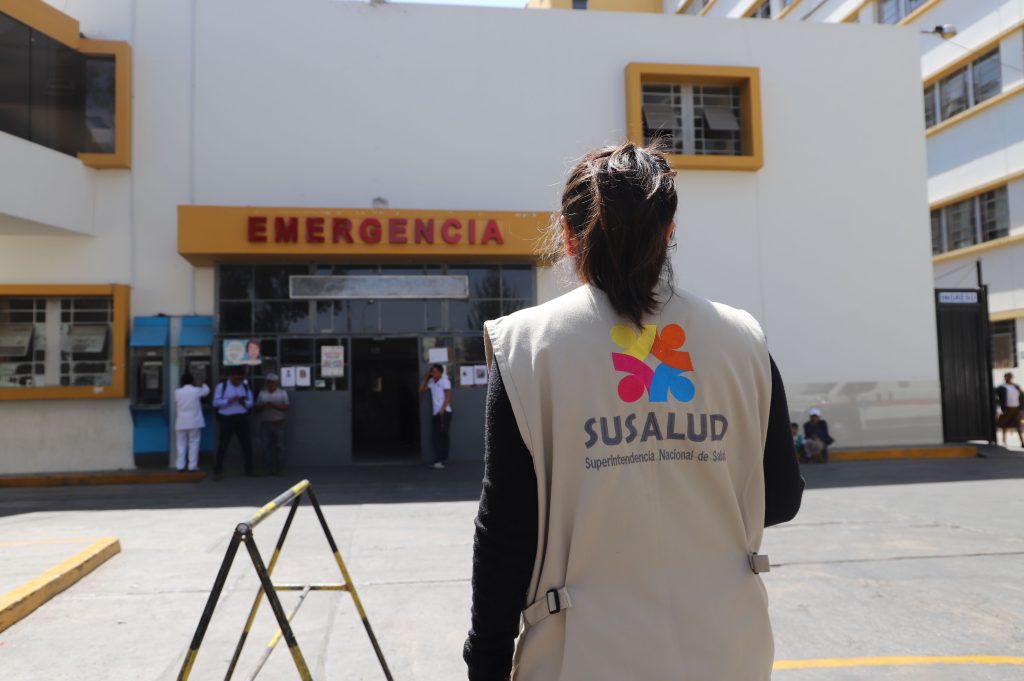
But once they arrived at a medical clinic in Ica, that person was nowhere to be found. Instead, someone from the dune buggy company was left trying to sort things out, but it was unclear who was responsible for paying for medical care. According to her, the uncertainty became so great that the clinic hesitated to treat the injured passengers because it wasn’t sure it would be paid.
Back in Lima, Heidi tried to file a police report but was told she’d chosen to participate in the excursion and had assumed the risk. When she later contacted the booking platform, she was initially offered a refund only for the dune buggy portion of the tour—about $20. She eventually received a refund for the full excursion, but nothing beyond that.
Before booking an adventure tour, take a few minutes to understand who you’re dealing with. Is the excursion operated by one company from start to finish, or are parts of it subcontracted? If something goes wrong, who should you contact? Does the operator have a clear emergency process?
These aren’t questions most travelers think to ask—but they can make a big difference if plans take an unexpected turn.
3. Look Beyond the Booking Platform

Reading reviews is an important part of planning any trip, but it shouldn’t be the only step in researching an adventure tour.
While talking with Heidi, I went looking for the excursion she booked so I could read through recent reviews. I expected to find a mix of positive and negative experiences. Instead, I couldn’t find the review she said she had tried to leave.
I can’t independently verify why that happened, but it reminded me that reviews don’t always tell the whole story. Whether reviews are filtered, removed, or simply don’t capture every traveler’s experience, they’re just one piece of the puzzle.
Before booking an adventure activity, spend a few extra minutes looking beyond the booking platform. Search for the tour operator on Google, browse recent discussions on Reddit or travel forums, and see if there have been any recent news stories involving the company.
You’re not necessarily looking for a reason not to book. You’re looking for a more complete picture so you can make an informed decision with confidence.
4. Buy Travel Insurance—And Understand How It Works

Travel insurance is one of those things you hope you never need. But if you’re planning adventure activities, it’s well worth having.
Heidi had purchased travel insurance before leaving for Peru, which helped after her accident. However, she also discovered something many travelers don’t realize until they’re in an emergency: some policies require you to pay medical expenses upfront and submit a claim for reimbursement later.
If you’re facing unexpected medical bills in another country, that’s an important distinction.
Before you travel, take a few minutes to review your policy. Make sure you understand what’s covered, whether adventure activities are included, how emergency claims are handled, and whether you’ll need to pay out of pocket before being reimbursed.
A little preparation before your trip can make an already stressful situation much easier to navigate.
5. Ask These Questions Before You Book
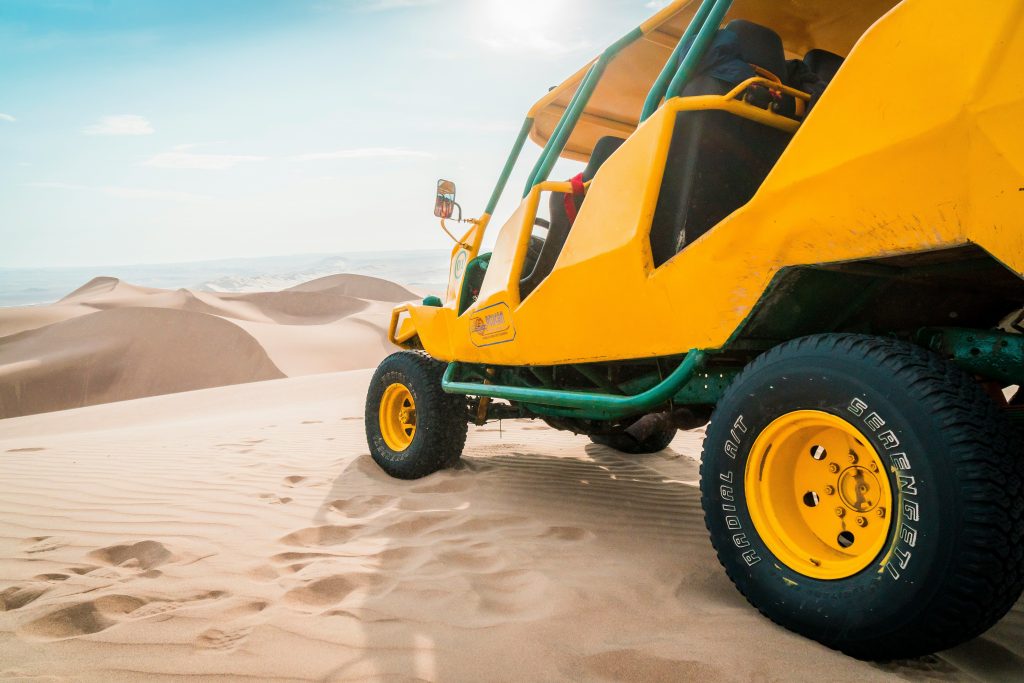
Whether you’re booking an adventure tour in Peru or anywhere else in the world, a few extra minutes of research can go a long way. Before you reserve your spot, consider asking:
- Who is the actual company operating this excursion?
- Is the entire experience run by one company, or are portions subcontracted to other operators?
- Is the operator licensed to provide this type of tour?
- Is the company legally registered in Peru (RUC – Registro Único de Contribuyentes)?
- Do they carry liability insurance?
- What safety equipment, briefings, and emergency procedures are provided?
- What do Google reviews, Reddit discussions, and recent news say about the operator?
You may not find answers to every question before booking, but asking them can help you better understand the company you’re trusting with your experience.
The goal isn’t to eliminate every risk—adventure travel always involves some uncertainty. It’s to make an informed decision so you can enjoy your trip with greater confidence.
7. Don’t Let Price Be Your Only Consideration
It’s tempting to choose the cheapest tour, especially when you’re trying to fit as many experiences as possible into your travel budget. But when it comes to adventure activities, price shouldn’t be the only factor guiding your decision.
A lower price doesn’t automatically mean a poor experience, just as a higher price doesn’t guarantee a better one. However, it’s worth considering what may be included—or left out. Group sizes, equipment quality, guide experience, safety procedures, and customer support can all vary between operators.
That doesn’t mean you should book the most expensive option. It means you should look at the overall value you’re getting.
If one company is transparent about who operates the tour, clearly explains its safety procedures, has a strong reputation, and communicates well before your trip, paying a little more may be well worth the peace of mind.
Adventure travel is about creating unforgettable memories. Taking a little extra time to choose the right operator can help ensure they’re unforgettable for all the right reasons.
Final Thoughts
Adventure travel is one of the most rewarding parts of visiting Peru. Whether you’re exploring the Amazon, hiking to Machu Picchu, cruising the Ballestas Islands, or riding through the dunes of Huacachina, these experiences are often the highlights of a trip.
Most excursions go exactly as planned. But a little extra research before you book can go a long way.
Understanding who operates your tour, looking beyond booking platform reviews, asking a few questions, and knowing how your travel insurance works can help you make more informed decisions—and travel with greater confidence.
Heidi’s experience changed the way I think about researching adventure tours, and it’s a lesson I’ll carry with me on future trips.
I hope you’ll do the same.
Peru remains one of my favorite places in the world, and I hope your visit is every bit as unforgettable—for all the right reasons.
FAQ
Is it safe to book adventure tours in Peru?
Yes. Thousands of travelers safely enjoy activities like dune buggy rides, hiking, rafting, and wildlife tours every year. The key is researching the local operator, not just the booking platform.
Should I book through GetYourGuide or Viator?
Yes. Booking platforms can be a convenient way to find tours, but it’s still important to research the local company that will actually operate your excursion before you book.
Is travel insurance worth it for adventure activities in Peru?
Yes. Adventure activities carry inherent risks, and travel insurance can be invaluable. Before you travel, make sure you understand what your policy covers and whether you’ll need to pay medical expenses upfront before seeking reimbursement.
How can I check if a Peruvian tour company is legitimate?
Look for a registered business (RUC, Registro Único de Contribuyentes), read reviews from multiple sources, search recent news and travel forums, and verify that the company clearly explains its safety procedures and insurance.
Is Huacachina safe?
Huacachina is one of Peru’s most popular tourist destinations, and most visitors have a great experience. As with any adventure destination, choosing a reputable operator and asking a few extra questions before booking can help reduce your risk.
Stay Connected
Get insider tips, local favorites, and hidden gems delivered straight to your inbox. Join our community and explore Lima beyond the beaten path.