
Peru’s Northern Beaches: What to Do, Eat & Know
This post may contain affiliate links. If you click one and make a purchase, I may earn a small commission at no extra cost to you. I only recommend products I genuinely use or believe will add value to you.
Did you know Peru has warm, tropical beaches? Yep. And while I have the inside scoop on all things Lima, I know Playas del Norte, Peru’s northern beaches near the Ecuadorian border, just as well.
How does an LA girl know that? My husband and I have a beach house in a little fishing village up there called Acapulco. Yes, Peru has one too.
Short version: my in-laws needed a place to settle down, and we wanted a second home we’d love visiting (and could maybe one day retire to). I found the house in the online classifieds, partly because the sellers included their kitty in the listing photos. Years later, we’ve built a home, a community, and even a restaurant.
So if you’re planning a trip to Peru’s northern beaches, here’s the tea. I’ve got opinions. A lot of them.
Wait, Peru Has Beaches?
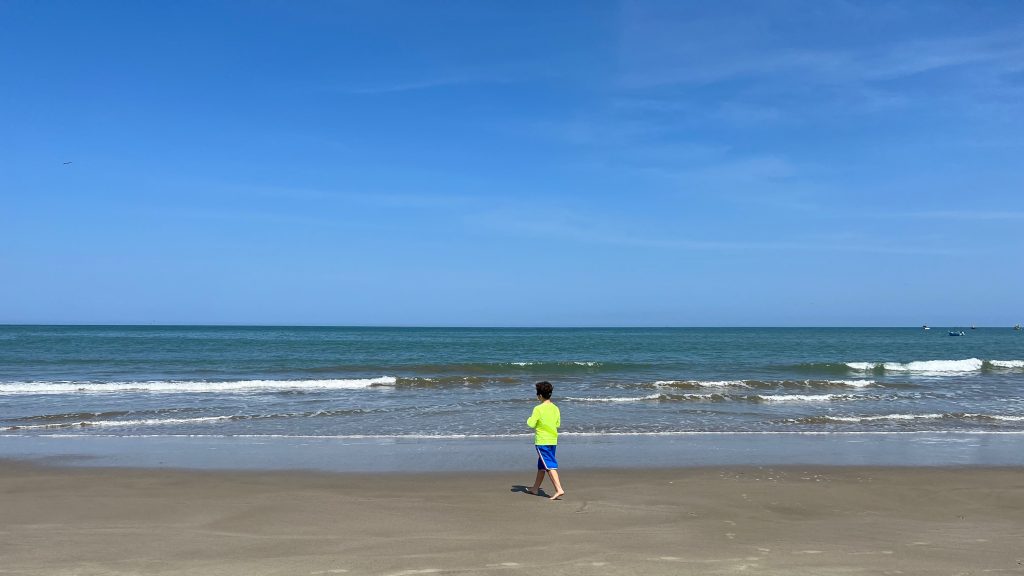
It does. Warm ones. While everyone’s focused on Machu Picchu and the Amazon, they forget Peru has roughly 1,500 miles of coastline. Lima’s beaches are often rocky, cold, and overcast, so many Limeños head north for sun and warm water.
Near the Ecuadorian border, it’s a different world: desert, turquoise water, and horses and donkeys wandering around like they own the place. They kind of do.
But don’t mistake it for the Caribbean. There’s litter, unfinished construction, and beaches that aren’t always groomed. Some of this was jarring to me at first.
And then you get in the water. It’s not St. Barths or Bora Bora, but the sea sparkles, the sand is softer than LA’s beaches, and on my last visit in April, the water was like velvet.
Which Northern Peru Beach Is Right for You?
People often say “Máncora” when they mean the entire northern coast, but these destinations are very different.
| Beach | Best for | The vibe |
| Máncora | Nightlife, restaurants, boutique hotels | Busy, touristy, the famous one |
| Vichayito | Couples, relaxing | Quieter, hotel-focused |
| Los Órganos | Whale watching, turtles | Local, laid-back |
| Punta Sal | Families, resorts | Beautiful beaches, a little luxury |
| Zorritos & Bocapán | Rental houses, mud baths | Spread out, less touristy |
| Acapulco | Privacy, family trips, a real disconnect | Small, quiet, my town |
My take? These days, I’m much happier farther north, away from Máncora.
Once you’ve figured out which stretch of coast sounds right for you, the next question is where to stay.
Máncora: The Party Beach Everyone’s Heard Of
Máncora is a name everyone knows, and for many Peruvians, it basically means “the beach.” Warm turquoise water, a long stretch of sand, and boutique hotels tucked along the coast just outside town. My husband and I went on our honeymoon there, and it’s where I first fell for this part of Peru.
When we first bought our house farther north, I wanted to go to Máncora all the time. Compared with our quiet little fishing village, it felt like civilization. All I wanted was a cappuccino. Now? We bought a Nespresso.
The town itself is touristy, busy, and, sorry, a little dirty. The main strip is packed with bars, restaurants, souvenir shops, and backpackers, and during the holidays it turns into one big party. It reminds me a little of Cabo or Tulum back in the day, before they got so commercialized.
If you’re young and want nightlife, restaurants, and a lively beach scene, you might have the time of your life here. Máncora is also popular for surfing and kitesurfing, with schools and lessons nearby.
If that’s not your thing, stay outside the center. The road just south of town is lined with gorgeous boutique hotels, where you get the beach without the noise. That’s what makes it such a good honeymoon spot.
I’m just not that person anymore. Just kidding. I don’t think I was ever that person.
Vichayito and Los Órganos: A Quieter Alternative
If Máncora sounds like too much, head a little south. I’ve driven through Vichayito and Los Órganos but haven’t stayed in either, so this is a drive-by, but educated, opinion.
Vichayito has a beautiful stretch of fine, pale sand, backed by low dunes and desert hills. The beach runs for about three kilometers, with turquoise water and generally gentle waves. It’s quieter and more spread out than Máncora, with some gorgeous beachfront hotels, the kind with a pool and absolutely no reason to leave.
Los Órganos has a different feel. It’s a proper fishing town with a sandy beach, a working pier, and fishing boats coming and going. The water is also turquoise, and the area has some good surf breaks. It’s a popular departure point for whale watching during the season, while nearby El Ñuro is known for its sea turtles.
Both are close enough to Máncora to visit without staying in the middle of everything.
Punta Sal: Pretty Beaches and a Little Luxury
Punta Sal is one of the prettiest stretches of coastline in northern Peru. It’s really two beaches in one. Punta Sal Chica is the little cove, gently curved and tucked between two small points, with white sand. Punta Sal Grande is the longer stretch, where the sand is a little less white.
The water is the big selling point. It’s generally warm, and the more protected stretches tend to be calmer than other beaches along the coast. That’s a big reason families love it. If your idea of a beach vacation involves a resort and plenty of time in the water, Punta Sal is worth a look. Always check conditions before swimming.
Zorritos, Bocapán, and Acapulco: My Home Away From Home
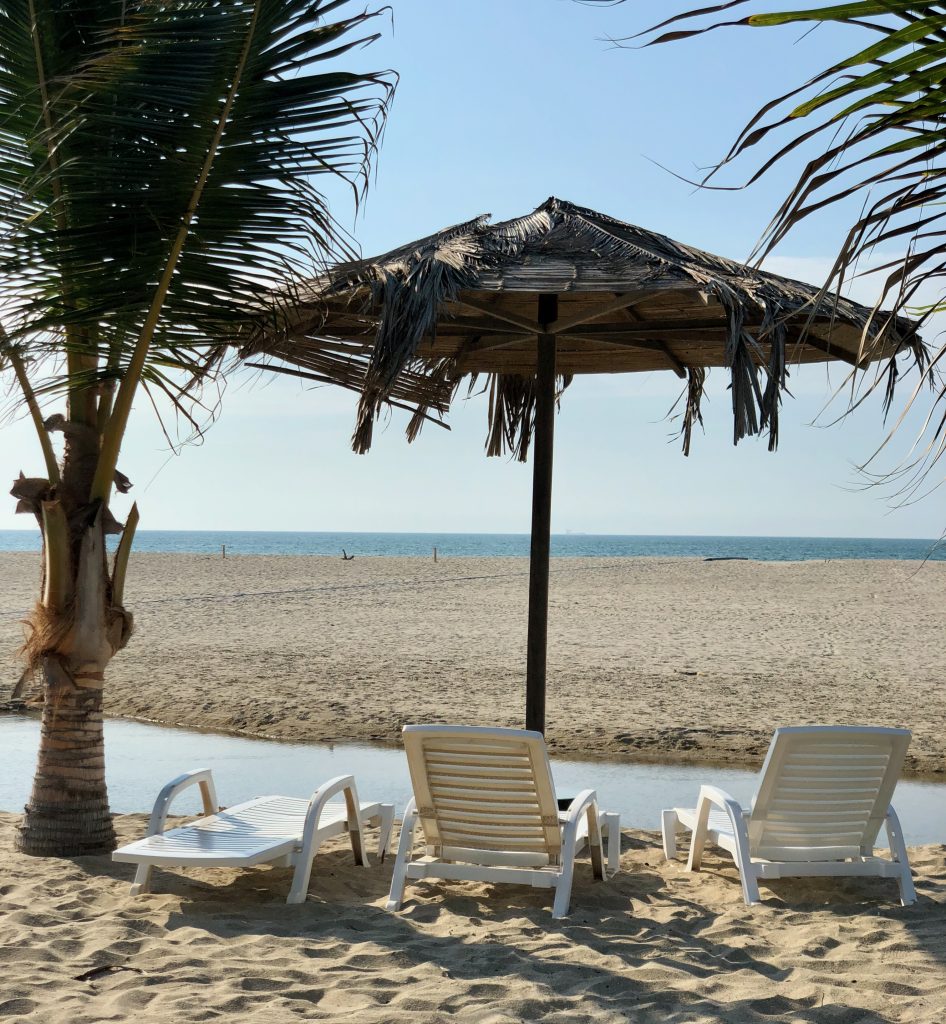
This is the part of northern Peru I know best. Our family has a house in Acapulco, a small fishing community near Zorritos, and it’s become a very special place for us.
Farther north than Máncora and Punta Sal, this stretch of coastline feels like a different world. The beaches are long and wide, the pace is slower, and you’re much more likely to encounter local families, fishermen and diving gulls than crowds of international tourists. It’s not polished or particularly glamorous, but that’s part of what I love about it.
Note: Acapulco and Bocapán kind of run into each other, so don’t worry too much about where one ends and the other begins.
Zorritos is the area’s main beach town, with restaurants, markets, shops, and everyday local life. It’s also known for its hot springs and mud baths. The beach stretches for miles, and closer to town you’ll find more activity, including some beach vendors.
Bocapán is quieter and more spread out, but there are plenty of hotels, guesthouses, and beachfront vacation rentals. Even Casa Andina, one of Peru’s best-known hotel chains, has a property here, although they call it Casa Andina Tumbes. It’s a good choice if you want a relaxing beach vacation without being completely isolated.
Acapulco is even more low-key. It’s a working fishing village, not a tourist town. Near our house, you’re more likely to see little crabs scurrying across the sand than beach vendors. And watch where you step, because the horses roam freely and leave plenty of evidence behind. It’s not exactly a manicured resort beach, but I love it.
One thing worth knowing about the beaches along this stretch: don’t let the relatively small waves fool you. The undertow can be surprisingly strong. Be cautious about swimming, particularly with children, and don’t assume calm-looking water means safe conditions.
This isn’t the place to come for nightlife or a packed itinerary. It’s where you come to slow down, enjoy the beach, eat incredibly fresh seafood, and disconnect.
What to Do in Playas del Norte
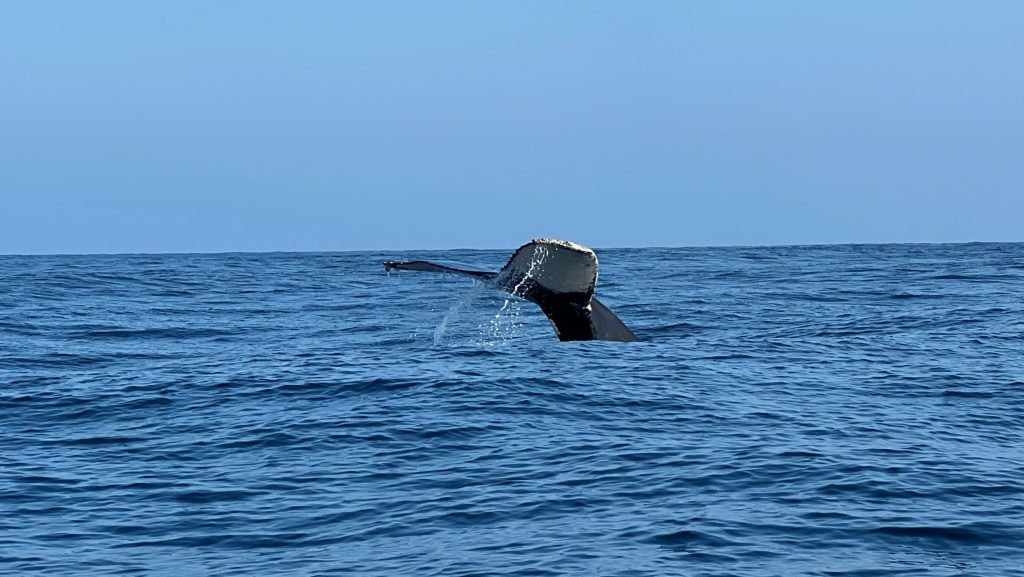
My number one rule for any trip to Peru’s northern beaches: Do exactly as much or as little as you want to do. That’s why you’re here.
Personally, I spend a surprising amount of time in my pajamas. But if you’re feeling more ambitious, there’s plenty to explore, from whale watching and mud baths to local markets and wildlife. Some of these I’ve done, and others are still on my list.
Go whale watching. Every year, roughly July through October, humpback whales migrate thousands of miles from the cold waters near Antarctica to the warmer waters off northern Peru and Ecuador to mate, give birth, and nurse their calves. It’s one of the region’s most extraordinary natural experiences, and you might even spot mothers with their babies.
We went out from Cancas and got so close I got nervous, because the boat was kind of small. Afterward, we couldn’t wait to show the footage to Niko’s friends in the village. They so did not care. Their dads are fishermen and get bumped by whales all the time.
Get muddy in Zorritos. The mud baths and hot springs are messy, a little ridiculous, and absolutely worth trying. Get in, cover yourself, rinse off, and you’ll feel incredible. Zorritos means little foxes, and yes, you can see them around.
Soak up the sun. Take advantage of the long, wide beaches, lounge by the pool, or settle in with a good book. Just don’t underestimate the sun this close to the equator. It’s intense, even when there’s a breeze, so slather on the sunscreen and find some shade.
Explore the tide pools. Between Acapulco and Bocapán, there are tide pools worth poking around in. They’re easy, free, and fun for kids and grown-ups. Just watch your footing and keep an eye on the tides.
Wander through the local markets. Every town has its own little markets, bakeries, and fruit stands, whether you’re in Zorritos, Punta Sal, Los Órganos, or Máncora. I love picking up fresh bread in the morning, browsing the tropical fruit, and seeing what’s available. And there are some great restaurants to discover along the way. If wandering around town is your thing, make it part of the adventure.
See the sea turtles at El Ñuro. Just south of Los Órganos, El Ñuro is known for its resident sea turtles, which you can observe from boats or in the water. It’s a popular excursion, especially for families, although I haven’t done it myself. Choose a responsible operator and don’t touch or feed the turtles.
Explore the mangroves of Tumbes and meet the Crocodiles. Near Puerto Pizarro, you can take a boat through the mangrove channels, spotting birds, crabs, and other wildlife along the way. You can also visit a crocodile breeding and conservation center. Yes, crocodiles. Not alligators. It’s a completely different landscape from the dry, sandy beaches most people associate with northern Peru. I haven’t done this one yet, but it’s on my list.
Do absolutely nothing. My personal favorite. Find a chair, watch the fishing boats come and go, and forget what day it is. Or stay in your pajamas. I won’t judge.
What to Eat on the Northern Peru Coast
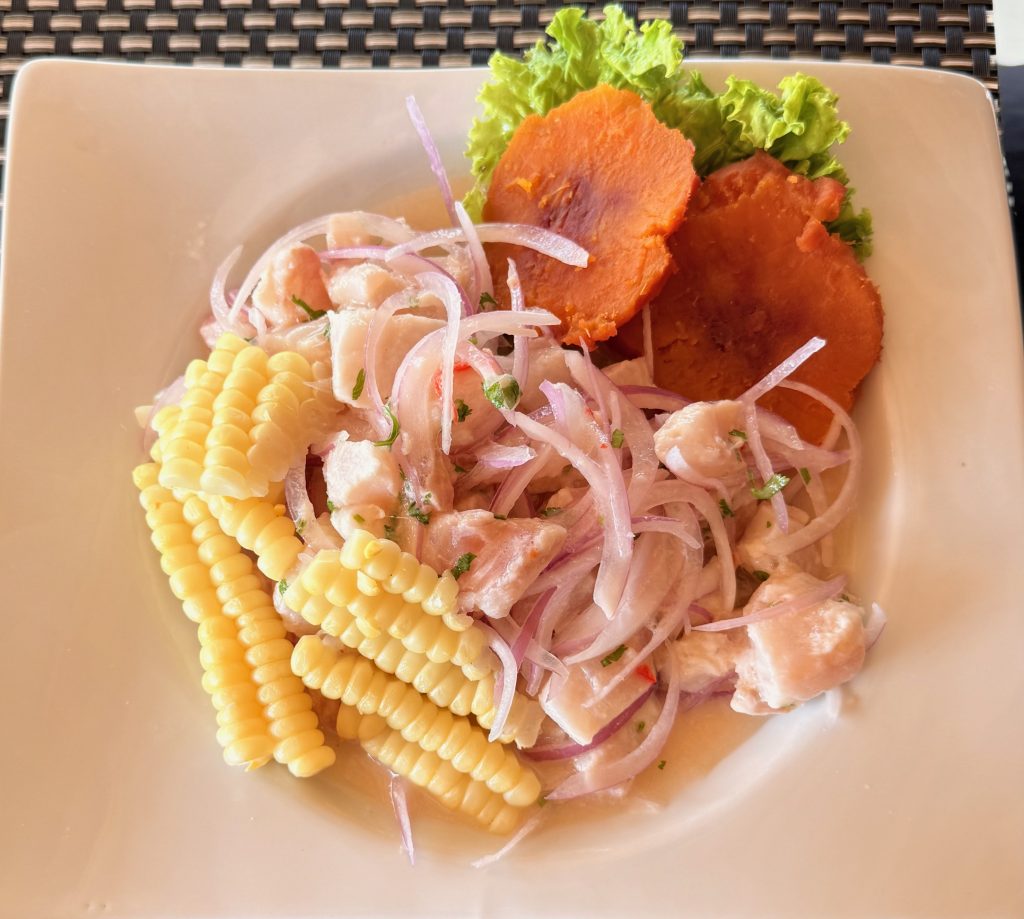
If you love seafood, you’re in luck. Up here, it’s mariscos all day, every day.
Where we are, lobster is a big deal. It’s everywhere, and it’s fresh. (There’s a reason the restaurant that came with our house was called Langosta Nostra.) Tumbes is also prawn country, so langostinos show up in everything: causa, tequeños, tortillas, garlic sauce, and poured over pasta and fish.
The ceviche is different up here, too. According to my husband, it’s definitely more acidic and fishier than in Lima. I’ll take his word for it because, despite all the time I spend in Peru, I don’t eat fish.
And chifles, thin fried green plantain chips, are a very big deal. You’ll see them with everything. I’m obsessed. While everyone else is on their second ceviche, I’m working my way through the chifles.
Cue the shameless plug for our restaurant, Luz del Mar, but a fun fact is that the fish and lobster we serve have often been caught by our friends and neighbors, and we are very highly rated on Yelp and Tripadvisor. Here are a few regional specialties you’ll see on menus along the northern coast, including ours.
- Ceviche de conchas negras. Black clams from the mangroves around Tumbes. This is the ceviche the region is known for.
- Majarisco. Mashed fried green plantain mixed with seafood. The name is literally majado plus marisco, and it’s very Tumbes.
- Parihuela. A spicy seafood soup Peruvians swear cures a hangover, and pescado a lo macho, fried fish covered in a spicy seafood sauce. At Luz del Mar, we also do that one with lobster.
The Fruit and Fresh Juices
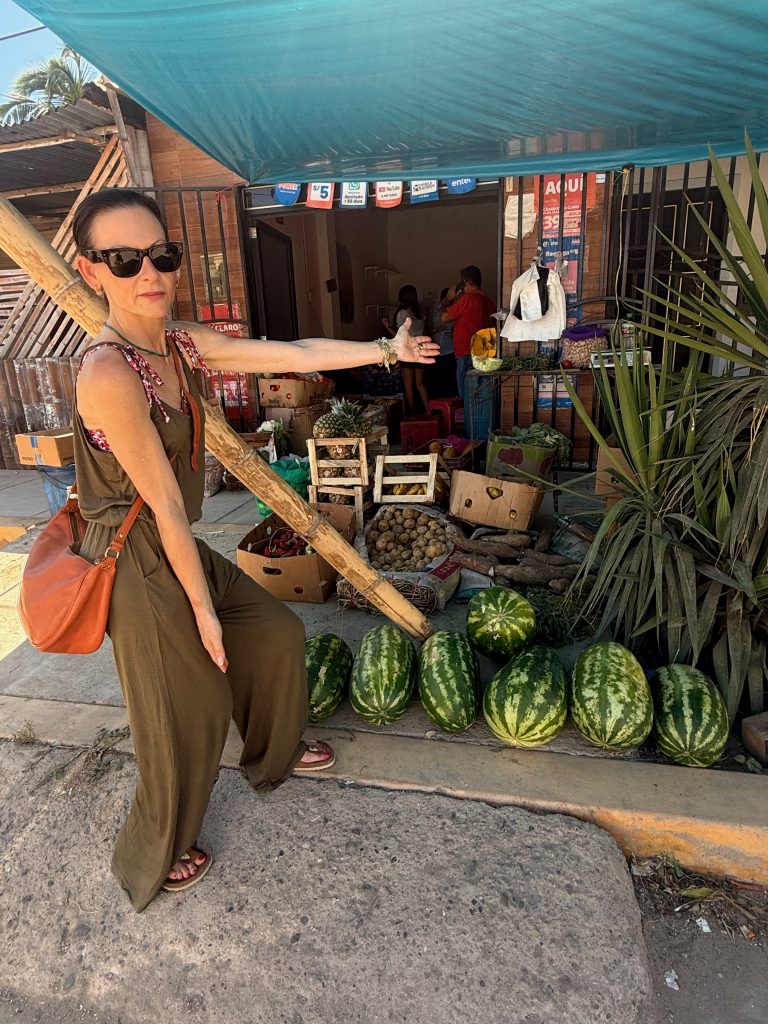
But if you’re like me and seafood isn’t your bag, don’t worry. The fruit here is incredible.
I didn’t even know I liked mango until we bought our house in Peru. Turns out, I love mango. Just not the kind I’d eaten back home.
The markets are full of gorgeous tropical fruit, and fresh juice is everywhere. Mango, papaya, passion fruit, pineapple, and watermelon. The watermelons are enormous, delicious, and yes, they have seeds.
One word of advice: don’t come looking for beautiful berries. If you do find them, they’re usually sad, stems and all. Stick with the tropical fruit.
Best Time to Visit Peru’s Northern Beaches
December through March: Summer and Holiday Crowds
This is summer in Peru, and the beaches are popular with Peruvian families. Things really pick up in the days after Christmas, then New Year’s hits, and it’s bananas. Máncora in particular can turn into a major party destination.
We’ve vowed to leave the northern beaches before New Year’s Eve whenever possible. If you’re 25, ignore me. If you’re me, get out.
April through June: A Quieter Escape
April can be a particularly lovely time to visit, with warm and calm waters. Conditions change, so I can’t promise you’ll have exactly the same experience. But if you prefer a quieter beach vacation, this period is worth considering.
July through October: Whale-Watching Season
If seeing humpbacks is a priority, plan around their migration season.
A Note About El Niño
El Niño can bring unusually heavy rain to parts of northern Peru, affecting roads and travel plans. That doesn’t mean every day will be rainy or every town will be affected the same way. If you’re traveling during an El Niño event, check the forecast, road conditions, and local advisories before you go.
How to Get to Peru’s Northern Beaches
Most international travelers connect through Lima before flying north, and the best airport depends on where you’re staying.
Talara (TYL) is geographically the closest airport to Máncora and also convenient for Los Órganos and Vichayito. Check whether flights are operating on your travel dates before choosing it. It feels like the windiest place on the planet, so I can’t imagine landing. But not everyone thinks like me.
Tumbes (TBP) is our airport and the farthest north. It’s generally the best choice for Zorritos, Bocapán, Acapulco, and Punta Sal. If you’re going to Máncora, allow roughly two hours by road, depending on traffic and conditions.
Piura (PIU) is farther south. It’s another option for Máncora, but the drive is longer, often about 2.5 to 3 hours.
Rather than choosing an airport based on distance alone, compare available flights and total transfer time.
And note, if you’re renting a house or staying for a while, consider stocking up on water, sodas, snacks, and other essentials at a large supermarket before heading to the beach towns, where prices can be higher and selection more limited. We always stop at Plaza Vea in Tumbes on our way in.
Should You Rent a Car?
I generally recommend renting a car if you’re staying around Zorritos, Bocapán, or one of the smaller beach communities. Things are spread out. If you don’t have a car, you can get around locally in mototaxis (the little tuk-tuks), and most hotels and rentals have someone you can call. But personally, I wouldn’t want to be there without a car. If you’re staying in central Máncora or at a resort and don’t plan to explore much, you may not need one.
And if you do rent a car, watch out for the speed bumps. Seriously. They’re everywhere, and some are so poorly marked you don’t see them until you’re flying over them. It’s nuts. Slow down near towns, and watch for stray dogs, poorly lit tuk-tuks and aggressive truck and bus drivers. Sharing the road is not for the weak-willed.
Oh, and for some reason people REALLY like to drive with their brights on. It just adds to the experience!
Rental Car Companies We Recommend
Ruta Norte Rent A Car: +51 969 954 100
Frequently Asked Questions
Does Peru Have Warm-Water Beaches?
Yes. While the ocean around Lima is generally cold, the far northern coast around Máncora, Punta Sal, and Zorritos has much warmer water. Conditions vary by season and location.
Is Northern Peru Safe?
We feel safe in our little corner of Acapulco, but that’s our personal experience, not a guarantee about the whole region.
Wherever you stay, take the usual precautions: lock your doors, secure your valuables, use reputable transportation, and check current travel advisories for the places you plan to visit.
What’s the Closest Airport to Máncora?
Talara is geographically the closest airport. Tumbes and Piura are also options, depending on flight availability and your preferred ground transfer.
Can You Visit Without Renting a Car?
Yes, especially if you’re staying in central Máncora or at a resort. Around Zorritos and Bocapán, though, I strongly prefer having my own transportation because everything is spread out.
How Many Days Do You Need?
I’d recommend three or four nights. Getting here takes a little effort, so a week is even better for full relaxation. But if you’re already planning a bigger Peru trip, a few days on the northern beaches can be a wonderful way to unwind after Cusco or the Amazon.
Final Thoughts: Why I Keep Coming Back
It’s not perfect up here. The litter frustrates me. The construction frustrates me. The speed bumps try to kill me.
Then I grab some fresh bread from the bakery and a big iced coffee (or a Coke Sin Azúcar, because I’m an addict) and watch the fishing boats bob in the waves. And there’s a donkey standing there for no reason.
No Four Seasons. No room service. Just a total disconnect.
So when people ask how this LA girl ended up with a beach house in a Peruvian fishing village, I tell them the truth. A cat.
Best click I ever made.
Stay Connected
Get insider tips, local favorites, and hidden gems delivered straight to your inbox. Join our community and explore Lima beyond the beaten path.