
Weather in Lima Peru: What to Expect & Best Time to Visit

This post may contain affiliate links. If you click one and make a purchase, I may earn a small commission at no extra cost to you. I only recommend products I genuinely use or believe will add value to you.
Lima’s weather might surprise many visitors — it certainly surprised me. I remember preparing for my first trip and expecting it to be tropical. It definitely was not.
Despite being a major city on the Pacific coast, relatively near the equator, Lima not only rarely sees heavy rainfall, but its climate — shaped by ocean currents — is defined by coastal fog and mild temperature swings rather than tropical heat or winter chill.
The best comparison I’ve found is Southern California. Lima’s weather is pretty contained and steady, very similar to Los Angeles, particularly our morning coastal fog. Lima just skips the major rainstorms, Santa Ana winds, and crazy heatwaves. That said, there are noticeable shifts that matter when you’re planning a visit.
In this article, I’ll walk you through Lima’s weather by month and season, explain what it actually feels like to be here, and help you decide when to go — so you don’t end up packing a bag full of bathing suits or booking an Airbnb pool in the middle of winter.
Let’s start with how Lima’s climate works, then move into month-by-month patterns, and finally how to plan around them.
How Lima’s Climate Works — Cool Ocean, Mild Temperatures, and Coastal Fog
One of the biggest misconceptions about Lima is that it should be hot year-round. It’s near-ish to the equator, after all. But latitude is trumped by the cold Humboldt Current, which flows along Peru’s coast and cools the air before it ever reaches the city.
That ocean influence keeps coastal cities like Lima far milder than most people expect. Instead of tropical heat, Lima has what’s considered a mild desert or coastal-desert climate, with an average annual temperature of around 19 °C (66 °F).
In practical terms, that means no heat waves, no cold snaps, and very little variation from month to month.
Rainfall, Fog, and Sunshine — What to Expect
Rain is extremely rare in Lima. Many years pass without anything that feels like a real rainstorm, especially in coastal neighborhoods.
What you will notice in winter is fog — a low, grey cloud cover called garúa that can sit over the city for days at a time. It’s more mist than rain, but it brings humidity and dampness, especially in the mornings.
Sunshine varies significantly by season. Summer brings the clearest skies and brightest days, while winter tends to be overcast and muted, even when temperatures stay mild.
Once you understand these basics, the month-to-month patterns make a lot more sense.
Lima Weather by Month & Season — What You Can Expect

Summer (December-April): Warm, Sunny, and Visitor-Friendly
Summer is when Lima feels easiest to enjoy. Daytime highs typically land in the mid-70s °F (around 24–26 °C / 75–80 °F), warm without ever feeling oppressive.
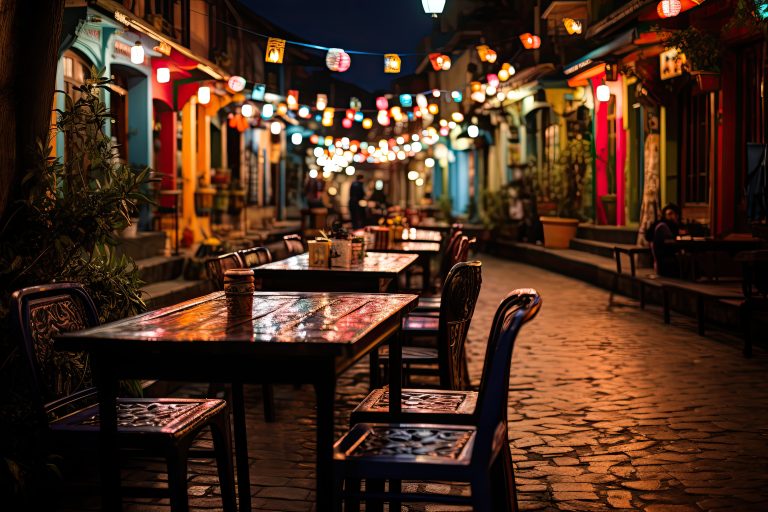
Evenings stay mild, which is why people linger outside longer — walking the malecón, eating outdoors, or just being out after dark without needing layers.
Rain is minimal, skies are clearer, and this is when the coast feels most inviting. While Lima isn’t a wildly beachy destination in the way Rio is, the dramatic cliffs and shoreline are much more appealing when the sun is out and the air feels warm.
One important caveat: Lima’s summer sun is deceptively strong. UV levels are high, and direct sun exposure can burn quickly, even when temperatures feel comfortable.
This is the season most visitors picture when they imagine Lima — and for good reason.
Winter (June — September): Cooler, Cloudy, and Foggy

Winter in Lima isn’t harsh, but it is different. August is usually the coldest month, with average temperatures around 63 °F (17 °C).
Daytime temperatures often hover in the high 60s °F (19–20 °C), and nights cool down into the mid-50s to low 60s °F (14–17 °C). It’s not cold by most standards, but the humidity and lack of sun can make it feel cooler than expected.
This is when fog and cloud cover dominate. The sky can stay grey for days, sometimes weeks, and sunshine becomes intermittent.
This is also when expectations matter most. A friend of mine’s nephew and his buddies visited Lima in August after a trip to Machu Picchu and booked an Airbnb with a pool for their post-trek wind-down. I held my tongue — they had already booked it — but I knew it was a mildly silly choice. August is the middle of winter in Lima. The pool may have been lovely, but it didn’t exactly call anyone to use it.
Winter, however, is still a great time to visit Lima. It works well for museums, food exploration, cafes, and slower travel — but it’s just not pool or beach weather.
Shoulder Seasons & Transitions (May, October, November)
These months are often overlooked, but they’re some of the most balanced times to be in Lima.
You’ll get cooler mornings and evenings, mild daytime temperatures, and a mix of sun and cloud cover. The city feels comfortable, walkable, and less busy than during peak summer.
I had one of my favorite trips to Lima in October with my friend Caroline. The weather was perfect for walking, shopping, and eating — a few of my personal favorite travel activities.
For travelers who want pleasant weather without crowds — or who don’t need constant sunshine — these transition months are often ideal.
Best Time to Visit Lima — What to Choose Based on Your Travel Goals

There isn’t one universal “best” time to visit Lima. The right time depends on what you’re coming for.
If you want sunshine, seaside walks, outdoor dining and maybe a good view of paragliding: December through April is your window. This is when Lima feels light, warm, and most visually striking.
If you’re prioritizing budget, fewer crowds, and flexibility: May, October, and November offer comfortable conditions without peak-season pricing or congestion.
If you prefer cooler weather and a quieter, more local rhythm: Winter (June–September) delivers that classic foggy Lima atmosphere — great for culture, food, and city life, just not sun-seeking.
The key is matching your “why” to the season. Once you do that, Lima’s weather becomes much easier to work with.
What to Pack: Clothing & Travel Tips for Lima’s Weather
You should know what to pack to avoid potential hiccups and overspending when you arrive in Lima.

Dress in Light Layers (Year-Round)
Light layers are essential in Lima. T-shirts or light tops work well during the day, especially in summer, while a light sweater or jacket is useful in the evenings or during winter mornings. Temperatures don’t swing wildly, but the difference between day and night is enough that you’ll want options.
Don’t Skip a Jacket — Even in Summer
Back to the clothes: a windbreaker or light jacket helps with coastal breezes and fog — not because of rain, but because the air can feel damp. And this applies year-round.
I’m writing this article on a December trip to Lima, and I wouldn’t have been happy out at night without a sweater or light jacket.
Comfortable Walking Shoes Are Non-Negotiable
Comfortable walking shoes are essential. Lima is a city you experience on foot, whether you’re strolling the coast or moving through different neighborhoods throughout the day.
Sun Protection Is Essential
Sun protection matters more than people expect. Remember what I said above about the high UV index — it’s legit and inescapable. Sunglasses, sunscreen, and a hat are essential year-round, and particularly in summer.
Winter Extras Worth Packing
If you’re visiting in winter, you’ll definitely want an outer layer, and a scarf or wrap can be surprisingly helpful for cooler, misty mornings.
And if you don’t bring one? Well, that’s just the perfect excuse to buy something alpaca and fabulous.
Check Your Lodging for Heat & Air Conditioning
One important practical note: many apartments and Airbnbs in Lima do not have air conditioning or central heating. Because the climate is generally mild, buildings are designed to rely on natural temperatures rather than climate control.
This works well most of the year — but it can be surprising if you’re visiting in peak summer or during the cooler, foggier winter months. Before booking, it’s worth checking listings carefully and aligning amenities with your travel plans.
In summer, a fan can make evenings more comfortable. In winter, access to space heaters, extra blankets, or good insulation can matter more than you expect.
Or be like me and book a hotel. The deals are often pretty incredible — and who doesn’t like someone making their bed?

FAQs About Lima, Peru Weather
What is the coldest month in Lima, Peru?
August is typically the coldest month, with average daily temperatures around 63 °F (17 °C). Evenings can feel cooler due to humidity, so light layers are helpful.
What are the best months to visit Lima?
December through April are often considered the best months thanks to warmer temperatures and sunnier skies, especially if you want to enjoy the coast.
Does it rain much in Lima?
No. Lima receives very little rainfall. Instead, winter brings mist and fog (garúa) and overcast skies rather than heavy rain.
How mild or extreme is Lima’s temperature year-round?
Lima’s temperatures are mild year-round. Summers are warm but rarely hot, and winters are cool but not cold, with very little variation compared to many cities.
Do I need rain gear if visiting in winter?
Heavy rain is extremely rare, so a full raincoat isn’t necessary. A light jacket or windbreaker is usually sufficient for fog and coastal breezes.
Conclusion
Lima’s weather isn’t dramatic — and that’s part of its charm. There are no extremes to plan around, just subtle seasonal shifts that influence how the city feels day to day.
From bright summer skies to soft winter fog, each season offers a different version of Lima. The best time to visit depends on what you want out of the experience — sunshine, calm, culture, or cost savings.
Once you know what to expect, Lima’s weather stops being confusing and starts being easy to plan around. Pack with intention, choose your season wisely, and let the city meet you where it is.
Stay Connected
Get insider tips, local favorites, and hidden gems delivered straight to your inbox. Join our community and explore Lima beyond the beaten path.