
Lima, Peru Elevation: What Travelers Should Know
This post may contain affiliate links. If you click one and make a purchase, I may earn a small commission at no extra cost to you. I only recommend products I genuinely use or believe will add value to you.
Because people associate Peru with dramatic Andean peaks, they automatically start worrying about altitude sickness before they’ve even packed their suitcase. It’s honestly uncanny how frequently I’m asked about Lima, Peru elevation.
And I get it — Peru equals mountains, right?
But here’s the part that surprises almost everyone:
Lima, Peru sits almost at sea level.
Understanding Lima’s elevation helps you prepare properly — especially if you’re headed next to high-altitude destinations in the Andes. Below, we’ll break down how high (or low!) Lima really is, what that means for altitude sickness, how it compares to other parts of Peru, and how to plan smart if Cusco or Machu Picchu are next on your itinerary.
Let’s clear it up.
How High Is Lima, Really: Elevation Basics
Average City Elevation
The broader metropolitan area of Lima sits at roughly 154–161 meters (about 505–528 feet) above sea level.
However — and this is what matters most for travelers — the districts where most visitors stay are significantly closer to sea level.
Popular areas like:
Generally range from sea level up to about 70–100 meters (0–328 feet) at their highest points.
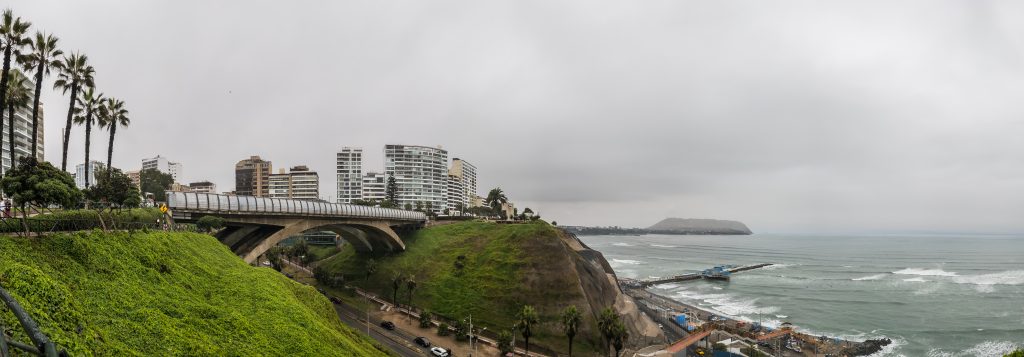
Yes, the Malecón in Miraflores sits on coastal cliffs overlooking the Pacific — roughly 60–80 meters high — but in altitude terms, that’s still essentially sea-level conditions.
You are not at a mountain elevation here.

Variation Across the Metropolitan Area
Lima spreads across a wide coastal plain with gentle slopes and occasional hills, but nothing approaching Andean terrain.
Even higher outskirts remain far below elevations associated with altitude sickness.
So if you’re arriving in Lima first, elevation is not something you need to worry about.
Elevation & Altitude Sickness: What to Know
Is Lima a High-Altitude City? No.
Compared with Andean destinations, Lima is a low-altitude coastal city. Oxygen levels and atmospheric pressure are similar to most sea-level cities worldwide.
Altitude Sickness — Not a Concern in Lima
Altitude sickness generally becomes a concern above 2,400 meters (about 8,000 feet).
Since Lima sits under 200 meters — and most tourist districts sit much closer to sea level — altitude sickness is not a concern while in the city.
Medical guidance consistently recommends gradual ascent when moving to higher elevations. Your body needs time to adapt to lower oxygen levels — a process that takes several days.
That’s why flying directly into high-altitude cities like Cusco (3,399 m / 11,152 ft) can feel intense for some travelers.
Starting your trip at sea level in Lima allows for a gentler transition before heading upward.
What Lima’s Elevation Means for Climate & Travel Experience
Coastal, Sea-Level Climate: No High-Mountain Surprises
Because Lima sits near sea level, it does not experience thin air, alpine cold, or dramatic mountain weather shifts.
Instead, its climate is shaped by the Pacific Ocean and the Humboldt Current.
Expect:
- Mild winters
- Warm summers
- Very little rainfall
- High humidity
It feels coastal — not mountainous.
Ideal Starting Point for Gradual Acclimatization
Many travelers begin their Peru trip in Lima before ascending into the Andes.
Spending a day or two at sea level allows you to:
- Recover from long flights
- Hydrate properly
- Rest
- Ease into travel
Before climbing thousands of meters in elevation.
It’s not mandatory — but it’s often more comfortable.
Elevation Compared: Lima vs High-Altitude Peru Destinations
Here’s where the difference becomes dramatic:
- Lima (coastal districts): roughly 0–100 m (0–328 ft)
- Altitude sickness risk begins around 2,400 m (8,000 ft)
- Many Andean destinations exceed 3,000–4,000 m
For example:
- Cusco — 3,399 m (11,152 ft)
- Sacred Valley — ~2,700–2,900 m
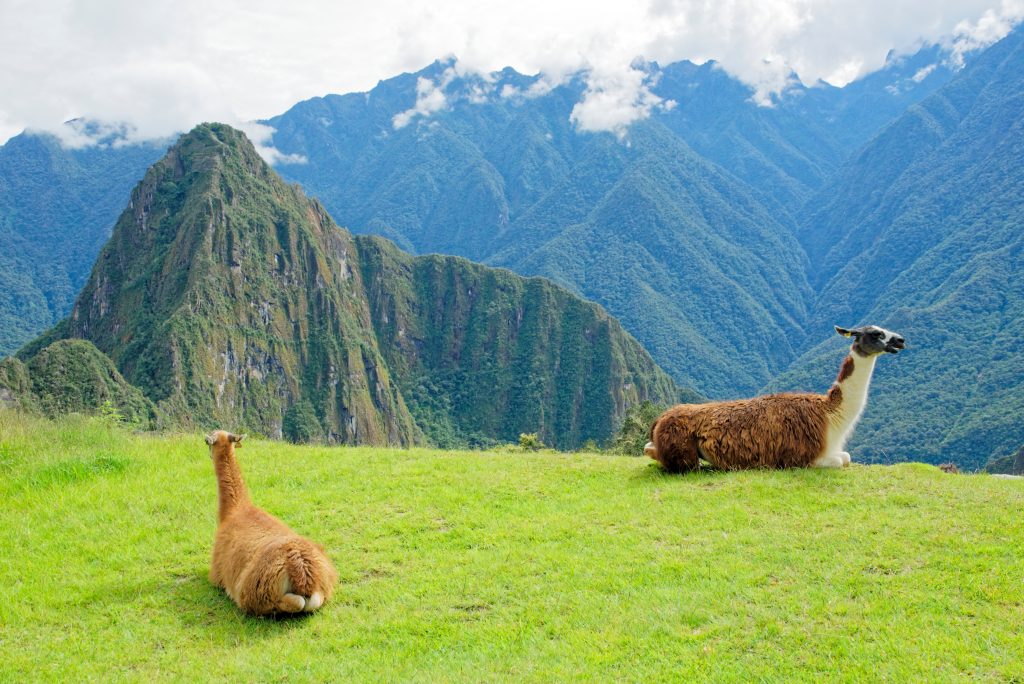
- Machu Picchu — 2,430 m
That’s a major jump from sea level.
And here’s something many travelers don’t realize:
Machu Picchu is significantly lower than Cusco.
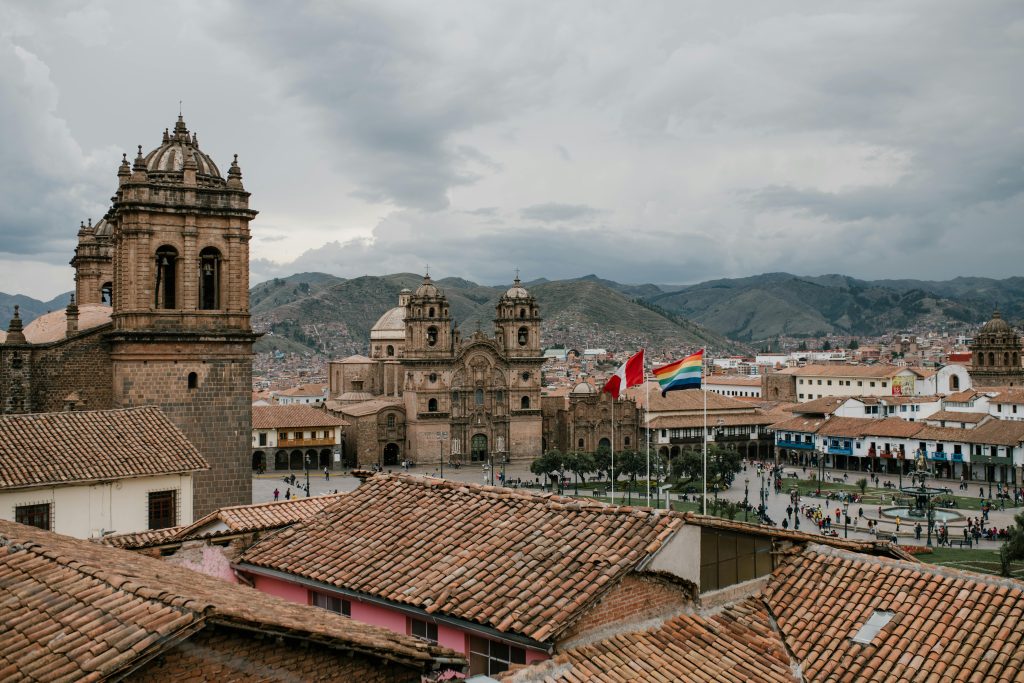
A smart strategy is to fly into Cusco, transfer directly to the Sacred Valley (lower elevation), visit Machu Picchu, and return to Cusco afterward. Sleeping lower first can help your body adjust more gradually.
What Travelers Should Know: Tips & Realistic Expectations
If you arrive in Lima first:
- No acclimatization needed
- No altitude medication required
- Normal activity levels are fine
If heading to high altitude afterward:
- Plan a light first day
- Stay hydrated
- Avoid overexertion initially
- Allow your body time to adjust
Think of Lima as your low-altitude base camp — relaxed, comfortable, and an ideal starting point before tackling Peru’s mountains.
FAQs About Lima’s Elevation & Altitude
Is Lima, Peru high altitude?
No — Lima is seaside with the majority of the city sitting at roughly 150 meters (about 500 feet) above sea level overall, and most coastal districts where travelers stay are even closer to sea level. That’s far below what’s considered high altitude.
Can altitude sickness happen in Lima?
Very unlikely. Altitude sickness generally occurs above ~2,400 meters (≈8,000 feet). Since Lima is near sea level, oxygen levels remain normal.
Why does Lima have mild coastal weather despite being in Peru?
Because Lima is on the Pacific coast and at low elevation, its climate is shaped by ocean currents rather than mountain altitude — resulting in stable, coastal conditions.
Is it a good idea to start in Lima before going to high-altitude areas?
For many travelers, yes. Beginning at sea level allows gradual ascent, which health experts recommend when moving to higher elevations.
Do any parts of Lima require acclimatization?
No — even slightly elevated areas remain far below altitudes associated with altitude sickness.
Conclusion
Lima’s elevation is low — roughly 150–160 meters above sea level — and most tourist districts sit even closer to sea level. That means normal oxygen levels, mild coastal climate, and no need for altitude preparation.
If your Peru plans include the Andes, elevation will matter later. But in Lima? You can relax.
Arrive. Breathe easy. And start your trip strong before heading upward.
Stay Connected
Get insider tips, local favorites, and hidden gems delivered straight to your inbox. Join our community and explore Lima beyond the beaten path.