

Money in Lima Peru: 9 Essential Tips for Tourists

This post may contain affiliate links. If you click one and make a purchase, I may earn a small commission at no extra cost to you. I only recommend products I genuinely use or believe will add value to you.
In January 2016, I traveled to Lima by myself for the first time. I was starting the (very long) process of buying our beach house in Tumbes, Peru’s northernmost province.
While I had traveled extensively across the world and had even been to Lima twice before, going by myself and navigating—particularly the money aspect—intimidated me.
It seems pretty ridiculous to me now, as Lima feels like a second home to me, but one of my most distinct memories is going to the ATM for the first time in San Isidro and feeling extremely stressed about money in Lima Peru.
How much cash would I be able to get out in a day? Would it be enough?
Would I be robbed (everyone had said how dangerous Lima is)?
How many soles were equivalent to the US dollar?
Is the ATM even going to work? I knew I had told the bank, but maybe that was my credit card company.
Thankfully, I’ve moved way past that point, and by reading this post, you will have a major headstart on all things money in Lima Peru, too!
9 Essential Tips For Money in Lima Peru
Whether relying on ATMs, mobile payments, or a mix of both, here’s your guide to managing money in Lima like a seasoned traveler.

1. Know the Currency: Peruvian Soles (PEN)
The official currency in Peru is the Nuevo Sol (often written as S/.). At the time of writing, 1 USD equals approximately 3.80 soles, though rates fluctuate. Peruvian currency includes:
- Coins: 10, 20, and 50 centimos, plus 1, 2, and 5 soles.
- Bills: 10, 20, 50, 100, and 200 soles.
💡 Pro Tip: Don’t worry about bringing soles with you from home. ATMs are readily available at Lima’s Jorge Chávez International Airport, so you can withdraw cash as soon as you land. While the airport ones take a hefty fee, it’s convenient to get soles without the hassle of pre-converting currency.

2. Mobile Payments Are Everywhere
Lima is a tech-savvy city, and mobile payment options are widely accepted. On my last trip, I easily used my phone to complete almost every transaction, from cafes to stores to 5-star restaurants.
Pro Tip
Ask your hotel concierge or a trusted guide which places accept mobile payments. They can often recommend boutiques or restaurants with readily available mobile pay options.
3. Card Payments: Convenient and Secure
Credit and debit cards are commonly used in Lima, especially in restaurants, hotels, and upscale stores.
One thing tourists love about Peru? Your credit card never leaves your sight. When paying at restaurants, the staff will bring a wireless terminal to your table, ensuring secure transactions.
But also don’t be surprised if they ask you to write your Passport or ID number on the credit card slip. I usually just put in my California ID and that works just fine.
Pro Tip
Always notify your bank about travel plans to avoid declined charges. Using a credit card with no foreign transaction fees is a smart way to save money on your trip.
4. Exchange Rates: Where to Get the Best Deal
- ATMs: These are the easiest way to access soles and often provide competitive exchange rates. Reputable banks include BCP, Interbank, and BBVA. ATMs are widely available in tourist areas like Miraflores and Barranco, as well as at the airport.
- Casas de Cambio (Money Exchange Offices): These offer reasonable rates and can be found in areas like Miraflores. Always double-check the math before completing your transaction.
- Cambistas (Street Money Changers): Recognizable by their vests, Cambistas operate in busy areas like Miraflores and San Isidro. They often offer competitive rates, but always check the calculation and count your money carefully to avoid mistakes.
- Hotels and Airports: While convenient, exchange rates here tend to be less favorable.
Pro Tip
Decline the ATM’s offer to convert your withdrawal to your home currency, which often results in worse rates.
5. Cash vs. Digital Payments: What’s Better?
- When to Use Mobile Pay or Cards: Restaurants, upscale cafes, and stores often accept cards or mobile payments for fast and secure transactions.
- When to Use Cash: Taxis, boutique market vendors, and artisanal craft stalls still rely on cash.
- Boleta or Factura: When paying in Peru, you may be asked “boleta” (receipt) or “factura” (invoice). Unless you need an invoice for reimbursement, go with the “boleta” to keep things simple and hassle-free!
Pro Tip
Carry a mix of soles and a card for flexibility and always choose to pay in Soles. And know the day’s exchange rate. You may not get it exactly but they never give you an good rate when the store, restaurant or hotel offers a dollar option.
6. Budgeting: What Things Cost in Lima
Lima offers excellent value for midrange to upscale travelers. Here’s what you can expect to spend:
- Mid-range restaurant meal: S/40–60
- Expensive restaurant meal: S/100–200 per person
- Taxi rides (within Miraflores): S/10–20
- Museum entry fees: S/10–30
- Hotels: Mid-range accommodations average S/300–500 per night, and luxury hotels can cost S/800–1,500 or more per night.
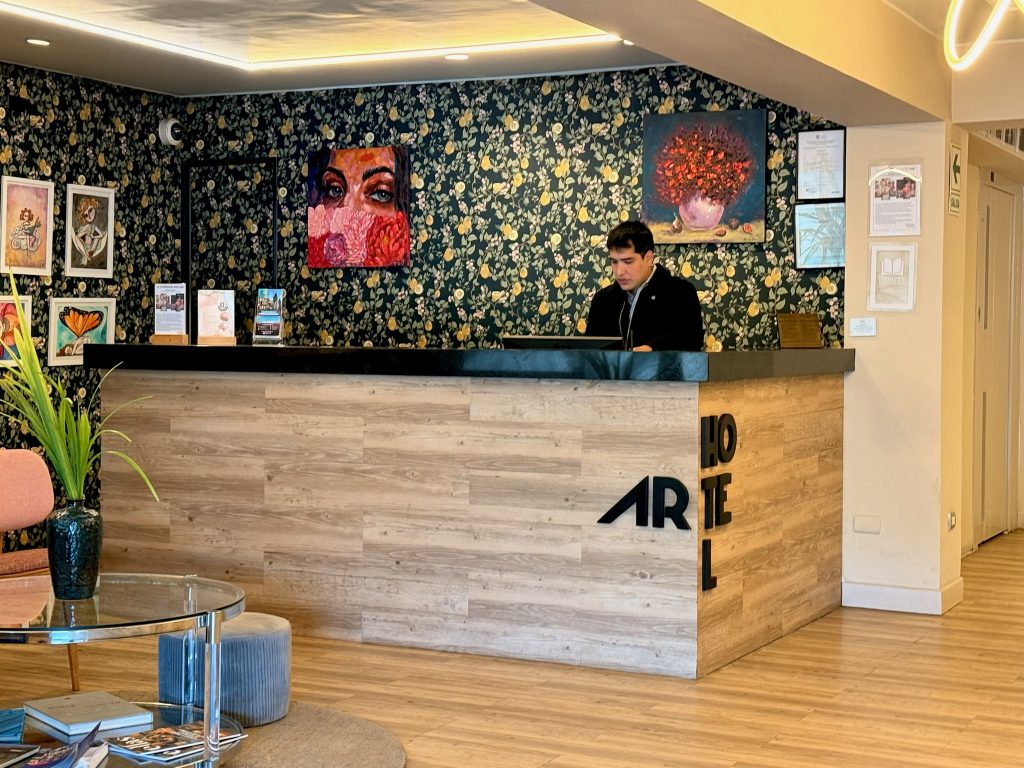
(Rooms at the Arte Hotel- a simple but chic boutique hotel in thes best location are currently 178 Soles)
💡 Pro Tip: Splurge on a tasting menu at one of Lima’s world-renowned restaurants Central where the tasting menu is currently 1630 Soles plus alcohol pairing at 684 Soles. (Be sure to make a reservation way in advance.)
7. Avoiding Tourist Traps and Scams
Lima is generally safe for tourists, but it’s always wise to stay alert:
- Counterfeit Currency: Familiarize yourself with the look and feel of real soles. Check for watermarks and textures on bills.
- Overcharging: Confirm prices before buying, especially in taxis or boutique markets.
- Hidden Fees: Some restaurants include a service charge, and some hotels add taxes that aren’t relevant for foreigners, so review all bills carefully.
- Don’t be flashy with your cash: Lima’s touristic neighborhoods (Miraflores, San Isidro, Barranco) are generally safe. But it’s just never a good idea to be waving your cash around. That’s one of the reasons I prefer mobile payments whenever possible.
8. Tipping in Lima
Tipping isn’t mandatory in Peru, but it’s appreciated for good service.

(Wonderful waiter at 500 Degrees an awesome pizza restaurant in San Isidro)
- Restaurants: Leave 10% if a service charge hasn’t already been added.
- Tour Guides: S/10–20 per person is a kind gesture.
- Salon Treatments: I always leave 10%, and it’s very much appreciated.
- Taxis: Tipping isn’t expected, but rounding up is a polite practice.
9. Stay Connected: Essential Apps for Managing Money
Make your money management in Lima effortless with these apps:
- Google Maps: Locate nearby ATMs or mobile payment-friendly businesses.
- XE Currency: Check up-to-date exchange rates.
- Uber or Cabify: Use for cashless rides with transparent pricing.
Final Thoughts
Handling money in Lima is simpler than you might think.
Whether withdrawing cash from an airport ATM or tapping your phone to make a market purchase, Lima offers a range of modern and secure options for tourists.
With these tips, you’ll have peace of mind as you explore Peru’s vibrant capital and indulge in its incredible culture, food, and history.
Planning your trip to Lima? Sign up for our newsletter for insider travel tips, hidden gems, and exclusive discounts to make your Peruvian adventure unforgettable!
Stay Connected
Get insider tips, local favorites, and hidden gems delivered straight to your inbox. Join our community and explore Lima beyond the beaten path.