
Lima’s Local Markets: Seasonal Fruits & Insider Tips
This post may contain affiliate links. If you click one and make a purchase, I may earn a small commission at no extra cost to you. I only recommend products I genuinely use or believe will add value to you.
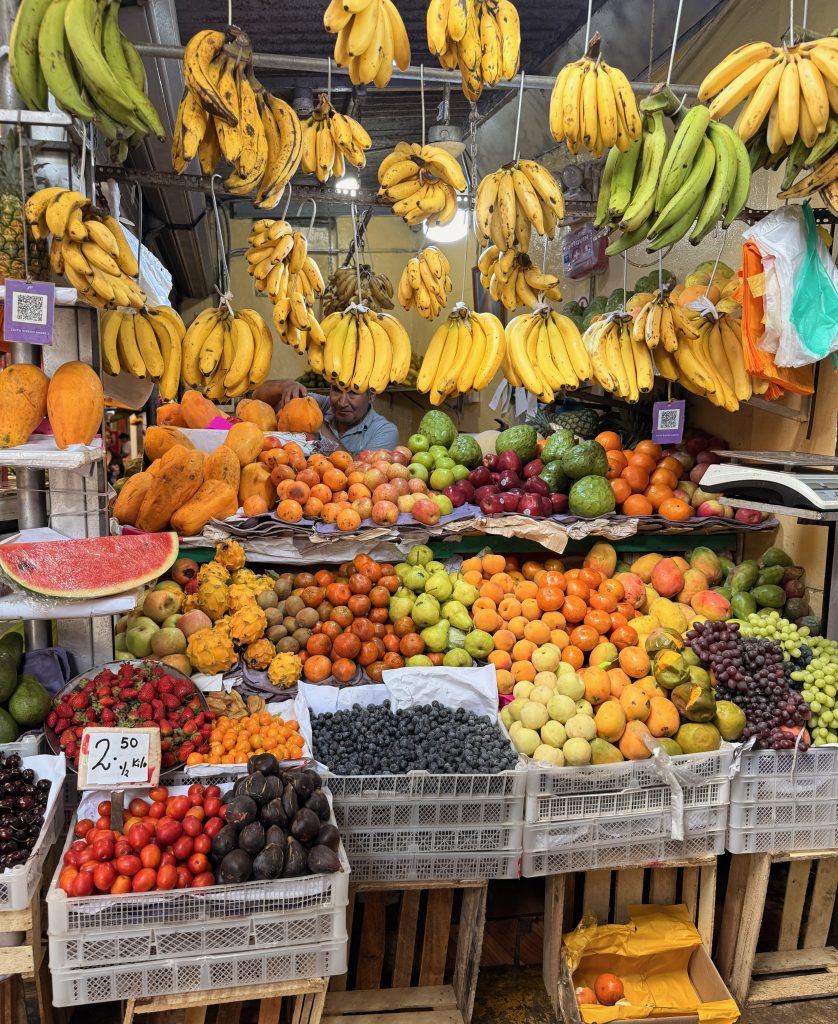
If you only experience Lima through its award-winning restaurants, you’re missing an important part of the city’s food culture: its markets. They’re where chefs source ingredients, families shop for dinner, and Peru’s incredible biodiversity comes to life through produce and ingredients you simply won’t find anywhere else.
While many fruits and vegetables are available year-round, people in Peru still pay attention to what’s in season. Markets and restaurants celebrate produce at its peak, when it’s fresher, more flavorful, and often less expensive.
Here’s my guide to what to look for so you can eat with the seasons and experience Lima’s markets like a local—from a perfectly ripe Piuran mango in summer to a creamy cherimoya in fall.
Peruvian Fruits and Seasonal Produce to Try in Lima
Mango
Best months: December–March
Peruvian mangoes, especially those grown in Piura, are exceptionally sweet, juicy, and fragrant. If you’re visiting during the summer, don’t miss them—they’re some of the country’s finest and one of my favorite things to buy at the market.
Uvas (Grapes)
Best months: December–March
Many visitors are surprised to learn that Peru is one of the world’s largest grape exporters. During the summer harvest, market stalls overflow with sweet red, green, and black grapes that are incredibly fresh and flavorful. They’re perfect for snacking as you wander through the markets.
Palta (Avocado)
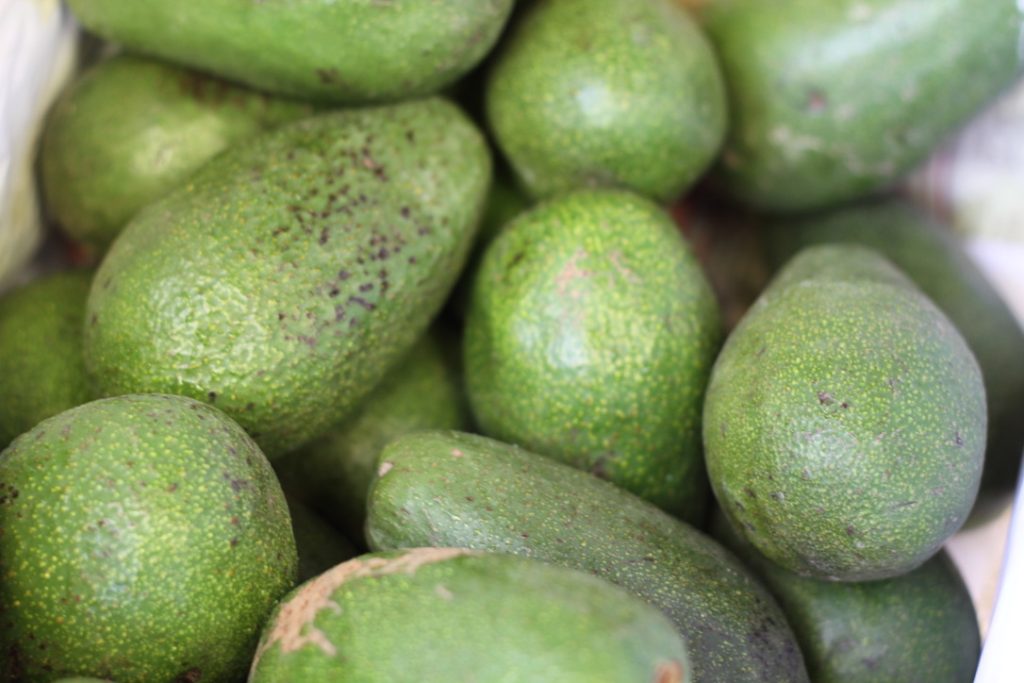
Best months: December–March
Peruvian avocados, known locally as palta, are rich, buttery, and often much larger than those found in North America. They’re a staple of everyday cooking and appear in everything from breakfast sandwiches and salads to traditional Peruvian dishes.
Chirimoya (Cherimoya)
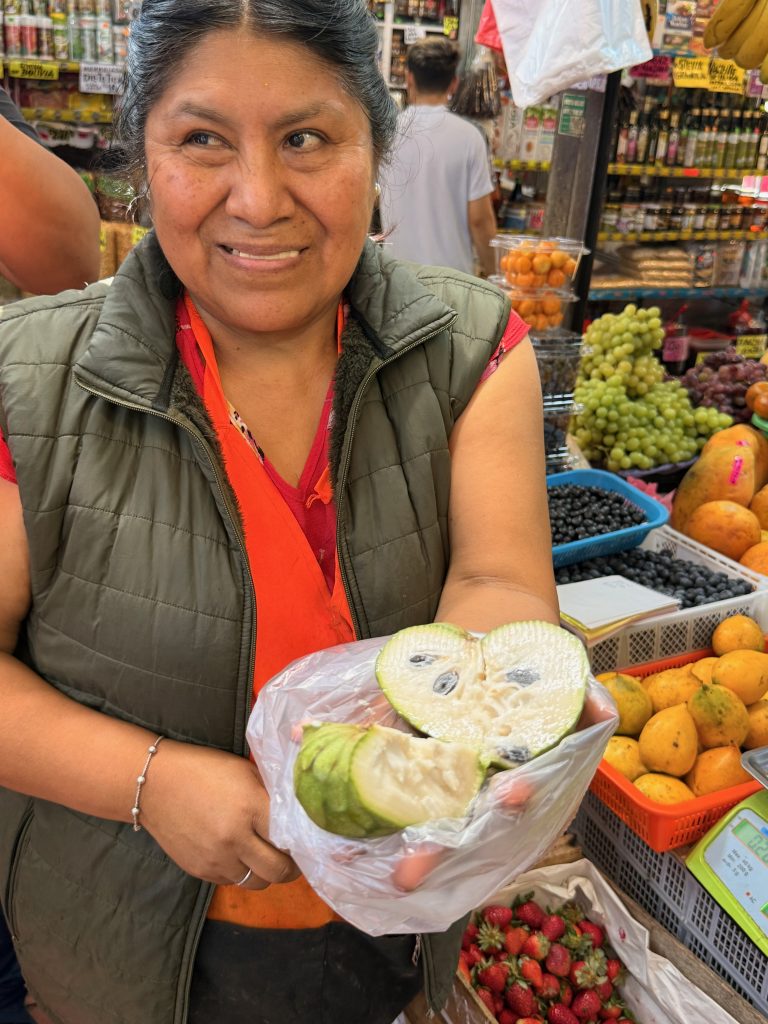
Best months: April–June
Mark Twain famously called cherimoya “the most delicious fruit known to man,” and it’s easy to see why. With a creamy, custard-like texture and flavors reminiscent of banana, pineapple, vanilla, and pear, it’s one of Peru’s most treasured fruits. Buy one at the market, chill it, and enjoy it with a spoon.
Lúcuma
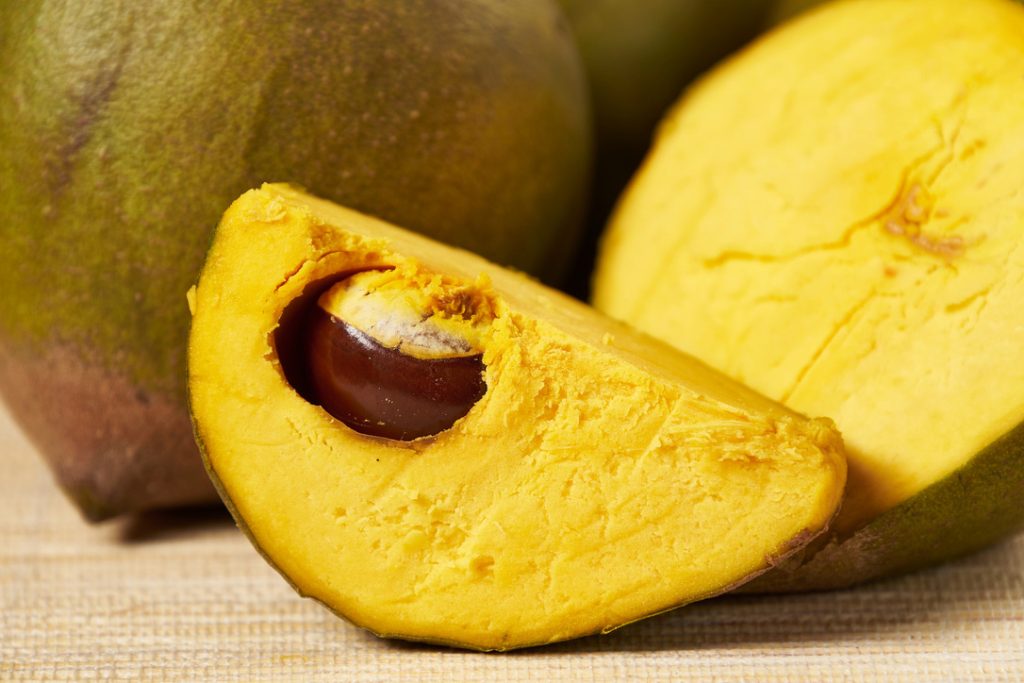
Best months: April–June
Lúcuma is Peru’s signature dessert fruit. Its flavor is often compared to caramel, maple, and sweet potato, and while it’s rarely eaten fresh, you’ll find it in ice cream, cakes, cookies, and milkshakes throughout Lima. If you only try one uniquely Peruvian dessert flavor, make it lúcuma.
Aguaymanto (Goldenberry)
Best months: April–June
Native to the Andes, aguaymanto is sweet, tart, and packed with flavor. It’s been cultivated in Peru since Incan times and is often considered a superfruit. You’ll find it fresh in markets and decorating desserts throughout Lima.
Mandarina (Mandarin Orange)
Best months: July–September
Winter is mandarin season in Lima, and it’s one of my favorite times of year to visit the markets. Sweet, juicy, and easy to peel, they’re sold everywhere and make the perfect snack while you’re exploring the city.
Camote (Sweet Potato)
Best months: July–September
While technically a vegetable, camote is too important to Peruvian cuisine to leave off this list. Naturally sweet and packed with flavor, it’s the traditional accompaniment to ceviche, balancing the citrusy leche de tigre with its creamy texture. If you’re ordering ceviche in Peru, don’t skip the camote—it’s there for a reason.
Guanábana (Soursop)
Best months: September–March
Guanábana has a soft, creamy texture and a tropical flavor that’s often described as a blend of strawberry, pineapple, banana, and citrus. While you may occasionally find it fresh in markets, it’s most commonly enjoyed in Peru as a refreshing juice, smoothie, or dessert.
Caña de Azúcar (Sugarcane)
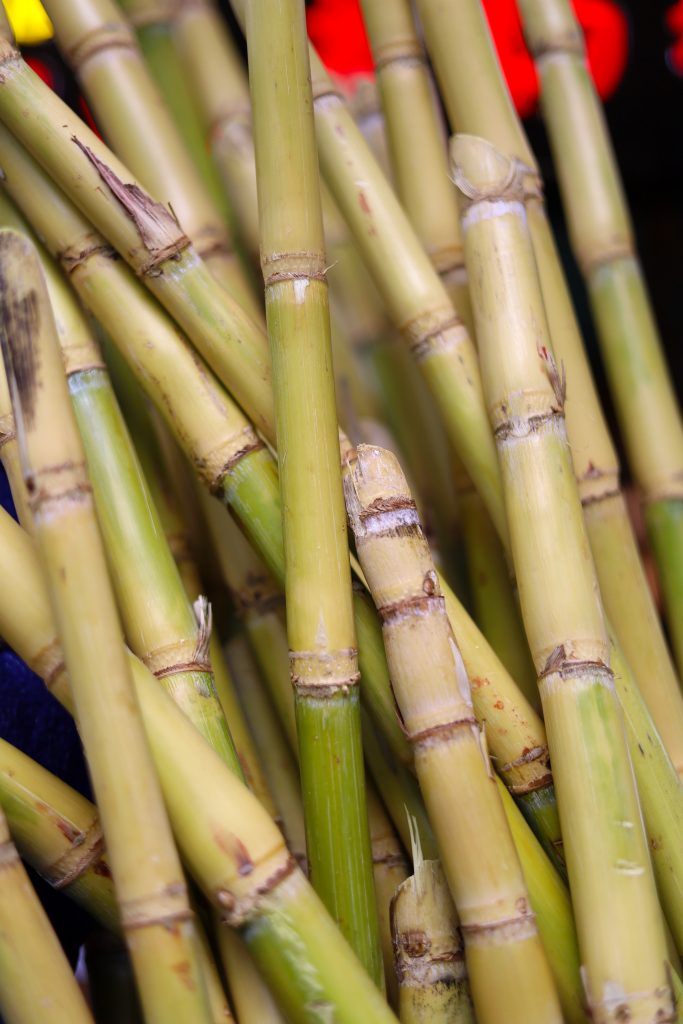
Best months: November–December
Sugarcane has been an important part of Peru’s agricultural heritage for centuries. As the holiday season approaches, you’ll often see more of it appearing in local markets, where it’s enjoyed fresh or used in juices and traditional treats. If you have the chance to try freshly pressed sugarcane juice, it’s a simple but memorable taste of Peru.
Seasonal Produce Calendar
| Season | Months | What to Look For |
| Summer | December–March | Mangoes, grapes, avocados (paltas) |
| Fall | April–June | Cherimoya, lúcuma, aguaymanto (goldenberry) |
| Winter | July–September | Mandarins, camote (sweet potato) |
| Holiday Season | October–December | Guanábana (soursop), sugarcane |
Tips for Visiting Lima’s Markets
Before I tell you about my favorite markets, here are a few things that will make your visit even better.
Visit in the morning when the produce is freshest, and vendors have the widest selection. Bring cash and small bills, since many vendors still don’t accept cards. And don’t be afraid to ask questions—Peruvians are incredibly proud of their local produce and are often happy to explain unfamiliar fruits or offer a sample.
Market Etiquette
Do:
- Greet vendors before asking questions.
- Carry small bills whenever possible.
- Ask before taking photographs.
- Let vendors choose the produce unless invited to handle it yourself.
- Slow down and enjoy the experience.
Don’t:
- Aggressively bargain over small purchases.
- Photograph people without permission.
- Block busy aisles while taking pictures.
- Treat the market as a tourist attraction rather than a working community space.
One of my favorite things about Lima’s markets is the people. Show a little curiosity and respect, and you’ll often leave with recommendations, samples, and conversations that become some of your favorite travel memories.
The Best Markets in Lima According to a Local
Surquillo
There are actually two great municipal markets in Surquillo—Mercado N.º 1 and Mercado N.º 2—and I think they’re the best in the city. They’ve played a huge role in turning Surquillo into one of Lima’s culinary hotspots.
Mercado N.º 1 is currently closed due to structural issues, but Mercado N.º 2 is wonderful and absolutely worth visiting.
This bustling market is packed with fruits, vegetables, seafood, herbs, spices, and prepared foods. It’s one of the best places in Lima to discover ingredients you’ve never seen before, and many of the city’s top chefs shop here.
Best for
- Exotic fruits and vegetables
- Peruvian ingredients
- Fresh juices
- First-time visitors
Pro Tip
If you only have time to visit one market in Lima, make it Surquillo Mercado N.º 2.
Mercado Lobatón (Lince)
Less touristy than Surquillo, Lobatón offers a glimpse into everyday life in Lima. If you’re looking for an authentic neighborhood market rather than a tourist attraction, this is a great choice.
Best for
- Authentic local atmosphere
- Fresh produce
- Everyday Lima life
- Fewer tourists
Pro Tip
Come here if you want to see how locals really shop.
Mercado de Magdalena
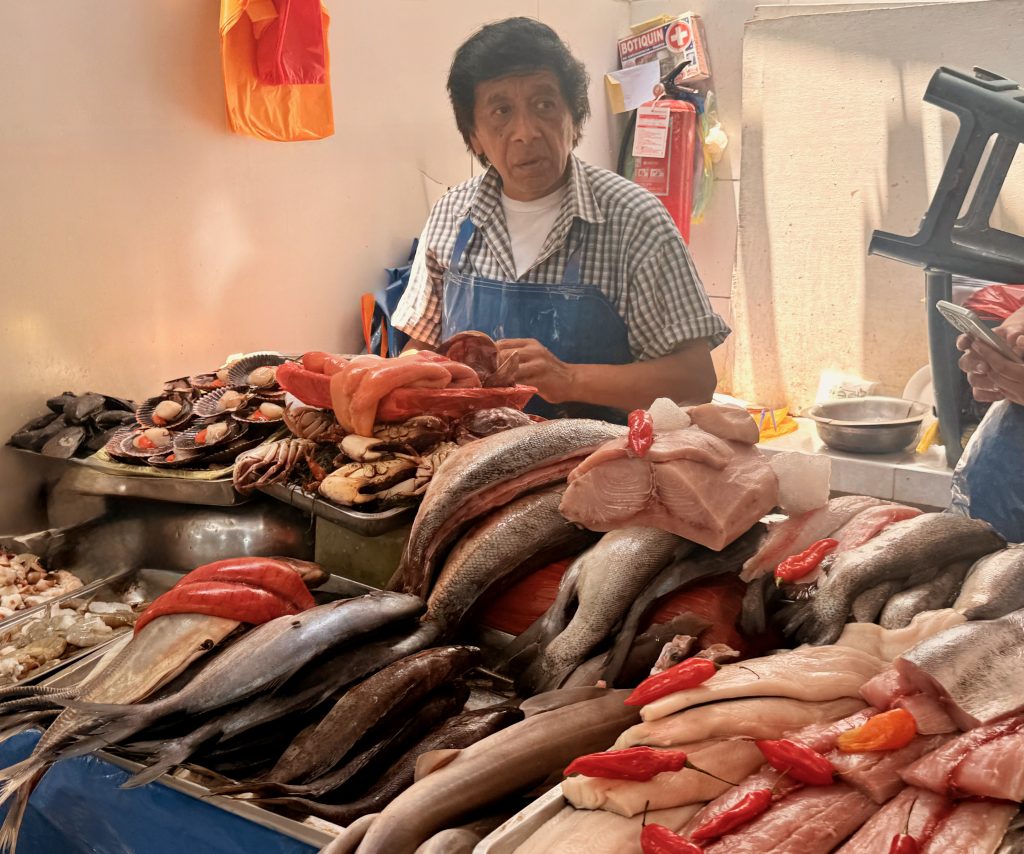
One of Lima’s most beloved neighborhood markets, Magdalena is known for its excellent seafood, fresh produce, meats, cheeses, and prepared foods. It’s a favorite among locals and offers a wonderful balance between accessibility and authenticity.
Best for
- Seafood
- Traditional food stalls
- Fresh produce
- Local shopping
Pro Tip
If I were shopping for seafood to cook at home, this is where I’d come.
Mercado Central
Located in downtown Lima, Mercado Central is one of the city’s oldest and busiest markets. It can feel a little overwhelming at first, but that’s part of its charm. You’ll find specialty ingredients, prepared foods, and a fascinating glimpse into everyday life in Lima’s historic center.
Visit during the day, keep an eye on your belongings, and give yourself time to wander.
Best for
- Specialty ingredients
- Cultural immersion
- Downtown exploration
- People watching
Pro Tip
Come with an empty stomach and plenty of time—you’ll discover something new around every corner.
Frequently Asked Questions About Lima’s Markets
Which market is best for first-time visitors?
Without question, Surquillo Mercado N.º 2. It has an incredible variety of produce, seafood, and traditional ingredients while still feeling approachable for visitors.
Are Lima’s markets safe?
Yes. Like anywhere in a large city, stay aware of your surroundings, keep valuables secure, and visit during the morning or early afternoon.
Should I bring cash?
Yes. While some vendors now accept cards or digital payments, cash is still the easiest way to shop.
Can you eat at Lima’s markets?
Absolutely. Many markets have food stalls serving traditional breakfasts, fresh juices, sandwiches, ceviche, and homemade Peruvian dishes. If you see locals lined up, that’s usually a very good sign.
What’s the best fruit to try in Peru?
It depends on when you visit. Summer is perfect for Piuran mangoes, while autumn is the best time for cherimoya and lúcuma. Whatever the season, ask vendors what’s freshest—they’re usually happy to point you in the right direction.
Final Thoughts
If you only experience Lima through its award-winning restaurants, you’ll eat incredibly well—but you’ll miss an important part of the city’s story.
One of the best ways to experience Lima is by wandering through its local markets. Taste the fruit that’s in season, chat with the vendors, and see what locals are buying for their own tables.
Whether you’re sipping a fresh juice in Surquillo, discovering a fruit you’ve never heard of before, or simply soaking in the energy of a neighborhood market, you’ll leave with a deeper appreciation for Lima than any restaurant alone could provide.
Stay Connected
Get insider tips, local favorites, and hidden gems delivered straight to your inbox. Join our community and explore Lima beyond the beaten path.