
Craft Markets in Lima: A Journey Through Memory and Peruvian Identity

This post may contain affiliate links. If you click one and make a purchase, I may earn a small commission at no extra cost to you. I only recommend products I genuinely use or believe will add value to you.
By Eric Torriani, Oh La Lima Contributor
At Oh La Lima, we believe that travel is about connection—seeing a place not just with your eyes, but through memory, meaning, and story.
This post comes from Eric Torriani, a cultural storyteller and longtime friend of the Oh La Lima community. Eric’s love for Peru runs deep, and in this piece, he shares how Lima’s craft markets offer more than handmade goods—they’re windows into identity, tradition, and belonging.
As someone who loves shopping, this piece gave me a deeper lens: how the things we bring home can carry real meaning. Eric’s words are a powerful reminder to look beyond the souvenirs and into the stories.
Lima’s Craft Markets: A Journey Through Memory and Peruvian Identity

I vividly remember my visits to the Parque de las Leyendas (The Zoo) in San Miguel: the mornings when I left home to walk along the entire Parque de las Leyendas Avenue, from where it crosses Avenida Marina until we reached the zoo entrance.
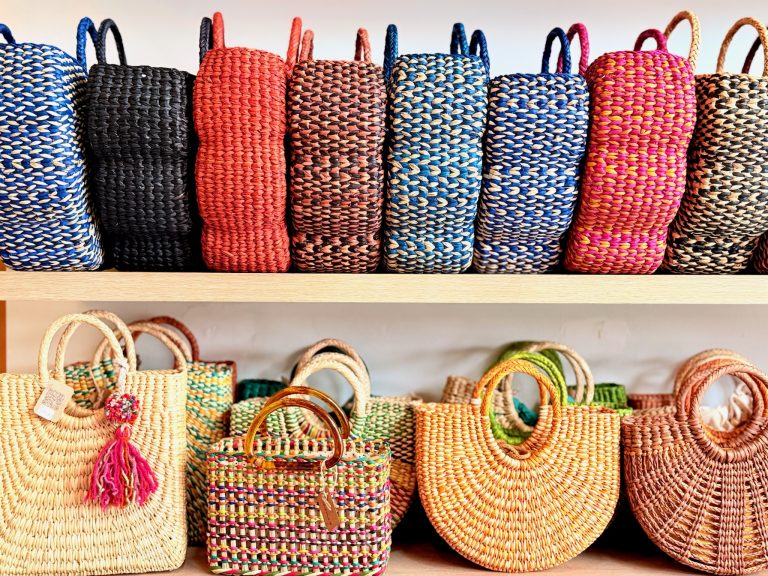
That avenue was a special prelude to the park. Along the way, the craft markets lined the sides, with stalls selling fabrics, typical handicrafts, vibrant colors, and the sound of music in the background. These markets were a common sight along the path to the park, just as one prepared to enter and explore the three regions of Peru—Coast, Highlands, and Jungle—within the zoo grounds, with its animals, archaeological sites, and that unique atmosphere of nature intertwined with urban life.
The craft markets in Lima, in districts like Miraflores and the Historic Center, as well as those near the Parque de las Leyendas, are spaces where cultures come together. Wandering through them is like traveling without leaving the capital.
There are the vibrant Cusco blankets; the ceramics inspired by ancient cultures; the silver jewelry from Ayacucho; the straw hats from the northern coast. They are not simply objects: they are living memory. Each artisan holds in their hands a piece of family history, a tradition passed down from generation to generation, and offers it in their product.
Walking along Avenida Petit Thouars in Miraflores has its own charm—seeing how the markets open their doors, the stalls lining the street, the vendors calling out their wares, the aroma of handcrafted goods.
In other corners of the city center, the markets blend with colonial streets, wooden balconies, and old facades. I have often felt that buying something is not just about acquiring an object, but participating in an act of recognition: towards those who have kept a tradition alive despite changes, asphalt, and modernity that pushes towards disposable culture.
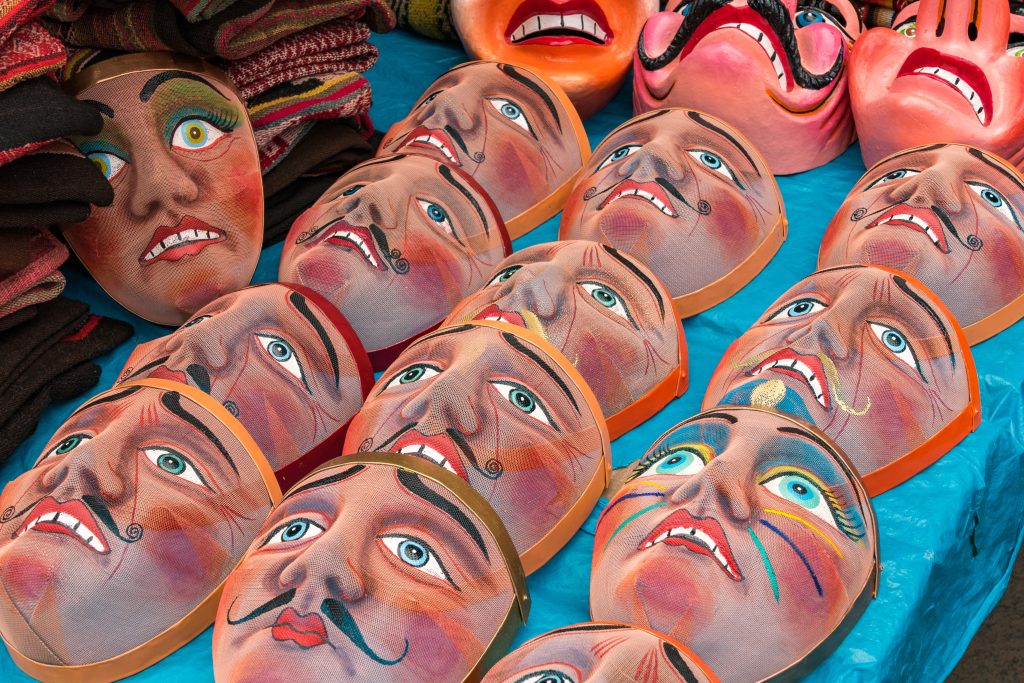
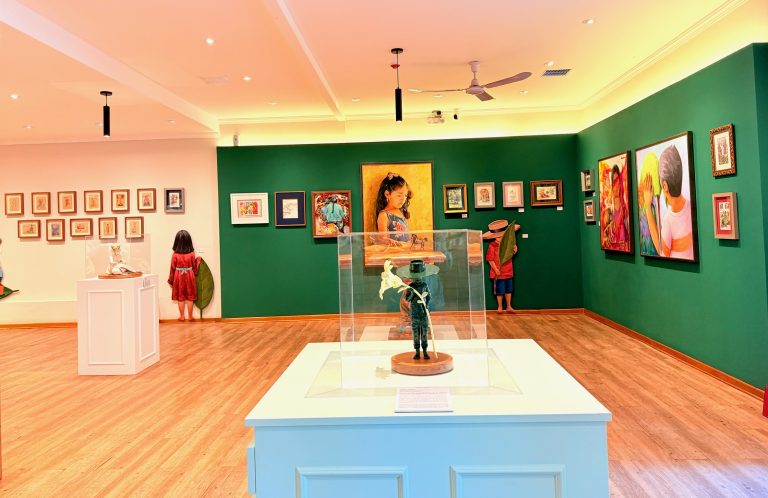
The most special thing about these markets is how they awaken a sense of belonging within me. Whether I’m a local or a visitor, seeing an Ayacucho altarpiece, a Paucartambo mask, or a painting depicting festive Virgins, I feel a connection to a Peru that exists beyond the news broadcasts and urban tensions—a deep, vibrant Peru expressed through its crafts.
These objects don’t just decorate; they convey stories, whispering tales of those who made them, of the communities that inspired them, of the wind and sun, of the land.
There’s a special place for me in the historic center, next to the government palace: Meche’s shop. Meche is a friend, and we’ve shared this same passion for over 10 years—a love for our heritage. She’s an expert on Peruvian crafts; her work can transport you to every corner of our country. Her shop is located on Jirón Carabaya, next to the ChocoMuseo, right by the government palace. Don’t miss it!
Visiting these markets also opens doors to learning. Through conversations with artisans, I’ve discovered hidden meanings: an embroidery can tell the story of the Andean worldview; pottery can evoke the connection between humanity and the earth; a textile, a map of shared memories. Every piece—a textile, a painting, a carving—has something to say.
If you’re visiting Lima, whether for tourism, business, or simply passing through, don’t miss these unique spaces

Explore the craft markets in Miraflores, along Avenida Petit Thouars; wander through the stalls in the Historic Center, surrounded by colonial history. There you’ll find not just objects to take home, but fragments of identity, tradition, and vibrant beauty.
Lima isn’t only seen in its plazas or museums; it also pulses in the hands of its artisans, in every corner where someone works with their heart. You can have a piece of the heart of Peru, in a special place in your home.
Tips for Exploring Lima’s Artisan Markets
Inspired by Eric’s story? Here are a few practical ways to shop with intention:
- Start on Avenida Petit Thouars in Miraflores.
- Talk to the artisans—ask questions, hear their stories.
- Pick what you love and want to share with the people at home.
- Don’t overbuy. Buy better, not more.
- Choose pieces with meaning—not just things to fill space.
Bring Home Something That Matters
I’m so grateful to Eric for sharing his perspective—because as everyone knows, I love shopping. But this gave me a deeper lens.
When you’re exploring Lima’s markets, pick what you love and want to share with the people back home. But also, be intentional.
Don’t buy things that will just take up space. Buy better, not more. Choose pieces that hold meaning, tell a story, and remind you why you came.
Stay Connected
Get insider tips, local favorites, and hidden gems delivered straight to your inbox. Join our community and explore Lima beyond the beaten path.