
Getting Sick in Peru: What to Do & Where to Go

This post may contain affiliate links. If you click one and make a purchase, I may earn a small commission at no extra cost to you. I only recommend products I genuinely use or believe will add value to you.
Getting sick while traveling is a special kind of awful. You’re far from home, you may not speak the language, and suddenly you have to figure out an entirely different healthcare system when you’re feeling your worst.
After a few bouts of illness (mostly thanks to my son, Niko), I’ve learned a lot about getting medical care in Peru — including one experience that was honestly better than most of my American hospital experiences.
So if you get sick in Peru, here’s what to do.
One important note: If it’s something scary — trouble breathing, chest pain, signs of a stroke, passing out, heavy bleeding or severe dehydration — skip the pharmacy and go straight to a clinic’s emergency room or have your hotel call for help.
1. Go to a Local Pharmacy (Botica/Farmacia)
For everyday travel ailments — stomach trouble, allergies, a cold, a headache — your first stop may be a pharmacy.
Pharmacies in Peru are well-stocked, and pharmacists are accustomed to helping people figure out what they need. In tourist areas, they’re also very familiar with the ailments that tend to strike travelers.
You may also find that some medications that require a prescription in the U.S. are available directly from a pharmacy in Peru. That doesn’t mean you should start self-prescribing antibiotics or unfamiliar medications. When in doubt, ask a doctor.

Good to Know
Meds are often sold per pill.
Yep, no giant bottles of ibuprofen or Imodium here. You’ll most likely get blister packs and pay for the number of pills you need.
Oh, and same with Band-Aids.
Hoping to get a nice package of them? Good luck! They’re often sold individually, and finding really good ones can be ridiculously difficult.
Pro Tip
Look for large pharmacy chains like InkaFarma or Mifarma. You’ll see them all over Peru.
2. Ask Your Hotel or Airbnb Host for Help
If you’ve graduated beyond what the pharmacy can handle, ask your hotel.
A good hotel should be able to recommend a trusted local doctor, clinic or hospital. Some can even arrange for a doctor to come directly to your room, which is a lifesaver when you’re too sick to go anywhere.
That’s exactly what happened to us when Niko got sick in Lima.
We were staying at the Swissôtel, one of our favorites in Lima, and the front desk arranged for a doctor to come right to our room. She didn’t think he was in immediate danger, but she recommended that we take him to a clinic in case he needed IV medication.
Which leads me to…
3. Go to a Private Clinic
When Niko came down with a nasty stomach bug in Lima, we ended up at a private clinic.
And this is one area where you really don’t need to panic.

Private Clinics in Lima
Lima has several excellent private clinics and hospitals. Depending on where you go, you may also find English-speaking staff, which is a huge relief when you’re not up for a game of medical charades.
Here are a few to know:
Clínica San Felipe — The One We Used
This is where we took Niko, and frankly, the experience was better than many I’ve had at hospitals in the U.S. He was seen quickly, the doctors were excellent, and the whole thing cost us about $200.
That’s obviously just our experience and not a quote for what your care will cost, but for us, it was an incredible value for the level of care and peace of mind.
Clínica Anglo Americana
San Isidro, Lima · Map · Website
Main phone: +51 1 616 8900
Emergency: +51 1 616 8902
A well-established private clinic in San Isidro with 24-hour emergency care.
Clínica Internacional
Clínica Internacional has multiple locations and offers a wide range of medical specialties.
Good Hope Clinic
If you’re staying in Miraflores, Good Hope is conveniently located right in the neighborhood.
Private Clinics in Cusco and the Sacred Valley
Cusco has private medical care too, and I would be even more inclined here to enlist your hotel or guide for help — especially if you don’t speak Spanish.
A few places worth knowing:
Clínica Peruano Suiza
Website
24/7 emergency line (all locations): +51 989 316 622
Clínica Peruano Suiza has locations in Cusco, Urubamba and Aguas Calientes/Machu Picchu, which makes it particularly useful if you’re traveling beyond Cusco itself.
Locations:
Cusco (Wanchaq) · Map
Open 24 hours
Phone: +51 84 237 009
Urubamba · Map
Machu Picchu/Aguas Calientes · Map
Clínica MacSalud
A large private clinic in Cusco with numerous medical specialties, open 24 hours. Their website doesn’t appear to be working at the moment but their Facebook is active and up to date.
Clínica Mir Salud
Cusco · Map · Website
Phone: +51 84 222220 / +51 84 505555
WhatsApp: +51 981 973 300
They advertise English support and help with international insurance, but my local partner says it’s a better fit if you speak Spanish.
4. Check Your Travel Insurance
If you bought travel insurance, now is the time to actually use it.
Check whether your policy covers medical expenses in Peru and whether the insurance company works directly with any local clinics. Call them before treatment if you’re able to — particularly if you think you might need expensive testing or hospitalization.
And keep every receipt, medical report, prescription and piece of paperwork you’re given. Even if you pay out of pocket, you may be able to submit everything for reimbursement later.
FYI: Niko’s entire visit cost us about $200, including private medical care.
Not bad for peace of mind, right?
Don’t Have Travel Insurance Yet?
If you’re planning a trip to Peru and want a travel policy that includes medical coverage, reach out to me betsy.vargas@fora.travel and I can help you find the right coverage for your trip.
There are a lot of travel insurance options out there, but Peru isn’t necessarily the place to just grab the cheapest policy and call it a day.
Between the altitude and activities like hiking the Inca Trail, trekking, rafting, zip-lining and other adventures, you want to make sure the policy you choose actually covers what you’re planning to do — and at the elevations where you’ll be doing it.
I’d much rather help you sort that out before your trip than have you discover what’s not covered when you need it.
5. Know the Emergency Numbers in Peru
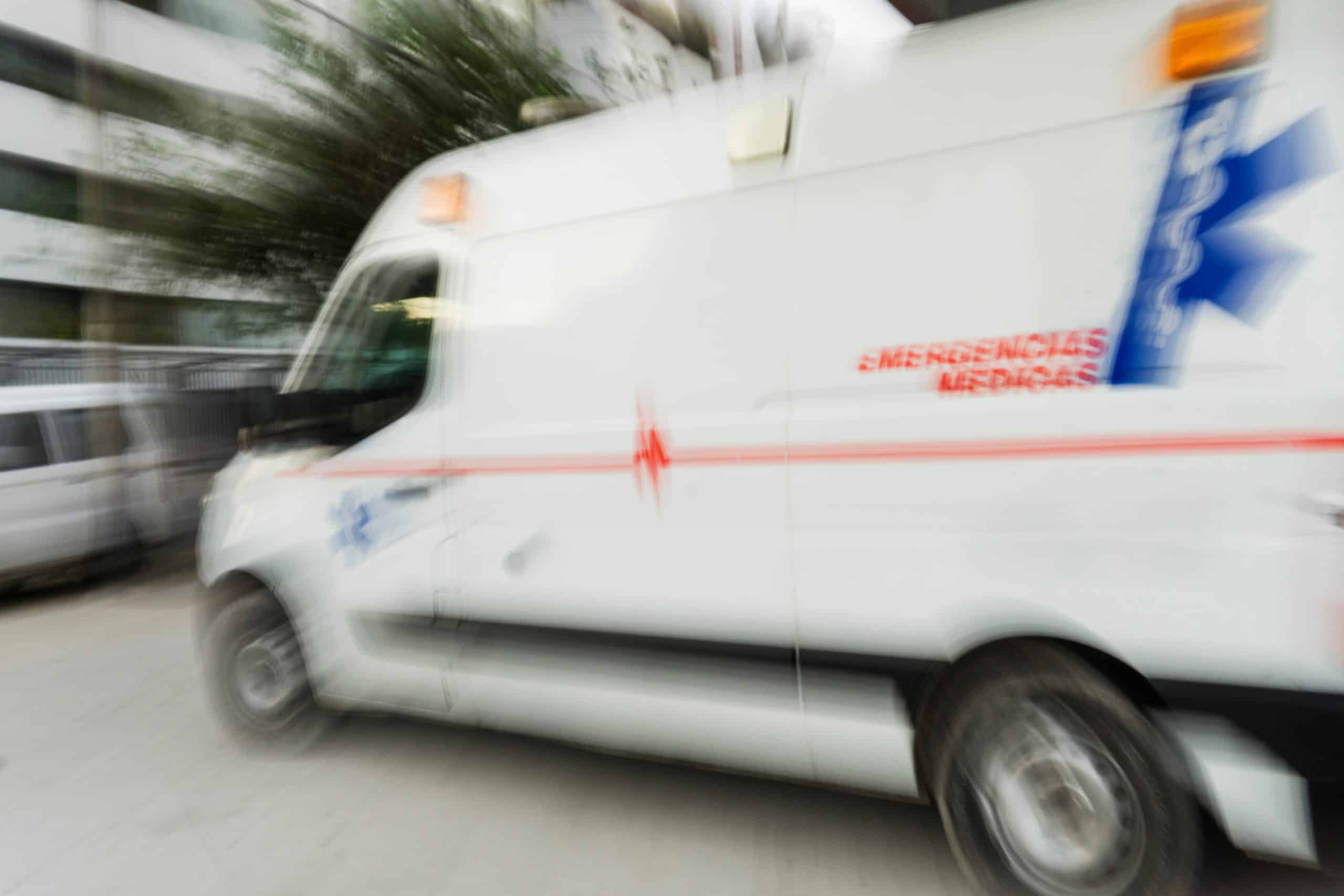
Don’t assume 911 works in Peru the way it does in the United States.
Peru has been working toward a unified 911 emergency system, but the existing emergency numbers are still important to know.
Save these:
- 106 — SAMU ambulance/medical emergencies (It does not work in all regions)
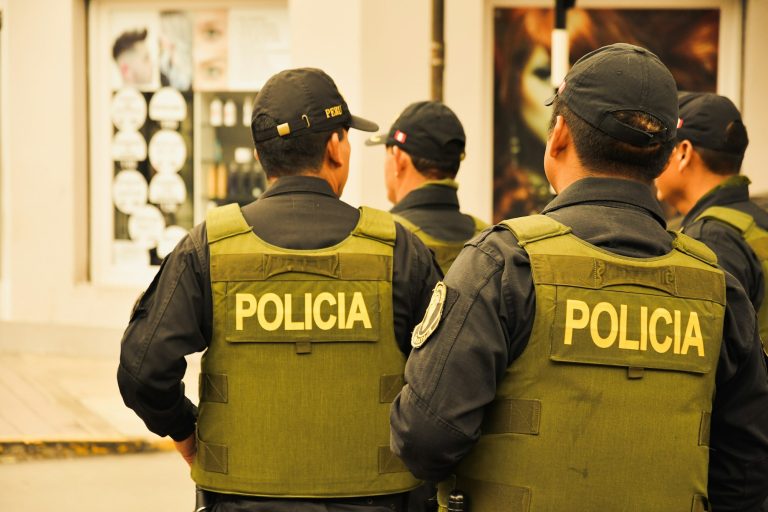
- 105 — Police
Emergency operators may not speak English, so if you’re staying at a hotel and you’re able to do so, getting someone at the front desk involved can be extremely helpful.
6. Reach Out to the U.S. Embassy if You Need Help
If you’re seriously ill, hospitalized or having difficulty navigating the healthcare system, the U.S. Embassy in Lima can be another resource.
The embassy can’t provide medical treatment or pay your medical bills, but American Citizen Services can help travelers access information and assistance during a medical emergency.
U.S. Embassy in Lima
If you’re not American, contact your country’s embassy or consulate for similar assistance.
U.S. Embassy in Lima
Address: Av. La Encalada, Block 17, Santiago de Surco, Lima
Phone: +51 1 618 2000 (Ask for American Citizen Services)
Website: U.S. Embassy in Peru
7. Don’t Underestimate Altitude Sickness
If you’re going to Cusco, this deserves its own section.
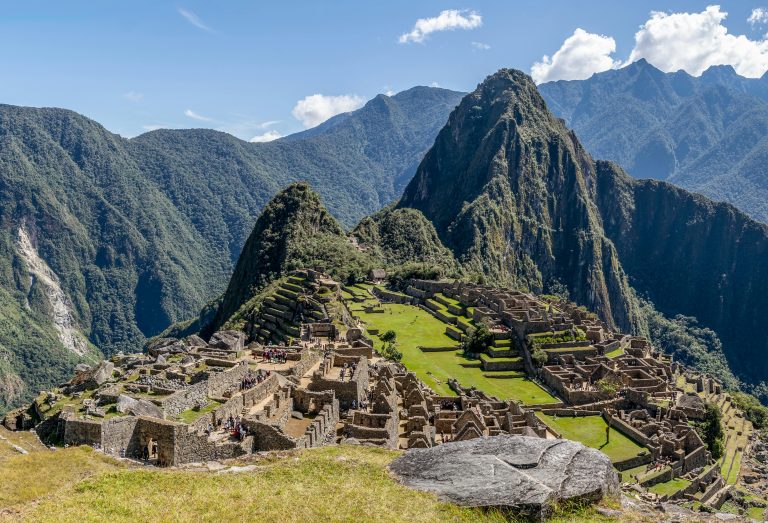
Cusco sits at approximately 11,000 feet above sea level, and altitude sickness is real. You can be perfectly healthy and still feel lousy when you arrive.
Headache, nausea, dizziness, fatigue and trouble sleeping can all happen as your body adjusts to the altitude.
My advice? Acclimatize! Don’t land in Cusco and immediately behave as if you’re at sea level. Give yourself time. Take it easy, stay hydrated and pay attention to how you’re feeling.
And don’t automatically assume you’re dealing with food poisoning or a travel bug. If you’ve recently arrived at altitude, altitude illness may be part of the problem.
More serious altitude illness can be dangerous, so severe or worsening symptoms — particularly difficulty breathing at rest, confusion or problems with coordination — need medical attention. Don’t try to tough it out.
Frequently Asked Questions
Is healthcare in Peru good for tourists?
For the most part, yes. The private clinics are excellent, and our experience at Clínica San Felipe in Lima was better than a lot of what I’ve had in the U.S. Outside Lima it’s more limited, so lean on your hotel or guide.
Does 911 work in Peru?
Not quite. 105 reaches the police anywhere in the country. 106 is the ambulance line, but it only covers Lima and some regions, not Cusco. Peru is also testing 911 in Lima and Callao.
Do doctors in Peru speak English?
Some do, especially at the bigger private clinics in Lima and other tourist areas, but don’t count on it. If you don’t speak Spanish, get your hotel involved.
Can I buy prescription medicine at a pharmacy in Peru?
Some medications that need a prescription in the U.S. are sold over the counter here. That doesn’t mean you should play doctor. Ask the pharmacist, or better yet, an actual doctor.
Do I need travel insurance for Peru?
I’d get it, and not the cheapest one. Make sure it covers the altitude and the activities you’re actually planning.
How do I know if it’s altitude sickness or food poisoning?
If you just got to Cusco, it could be the altitude. Headache, nausea, dizziness and trouble sleeping are all common. Trouble breathing at rest, confusion or losing coordination means get help now.
A Few Final Ways to Avoid Getting Sick in Peru
People get sick when they travel. Long flights, new food, new cooties.
Peru isn’t dirty or careless about food. Quite the opposite. But your stomach doesn’t know that.
I’ve gotten sick here. So has Niko.
Use common sense. Be picky about street food. Drink water. Wash your hands. I’m religious about hand sanitizer on planes.
If you do get sick, don’t stress. Private healthcare here is excellent, and getting help, especially in Lima, was easier and cheaper than I expected.
Save the numbers. Know where the clinics are. Pack the Imodium.
Then go eat the ceviche.
Stay Connected
Get insider tips, local favorites, and hidden gems delivered straight to your inbox. Join our community and explore Lima beyond the beaten path.